
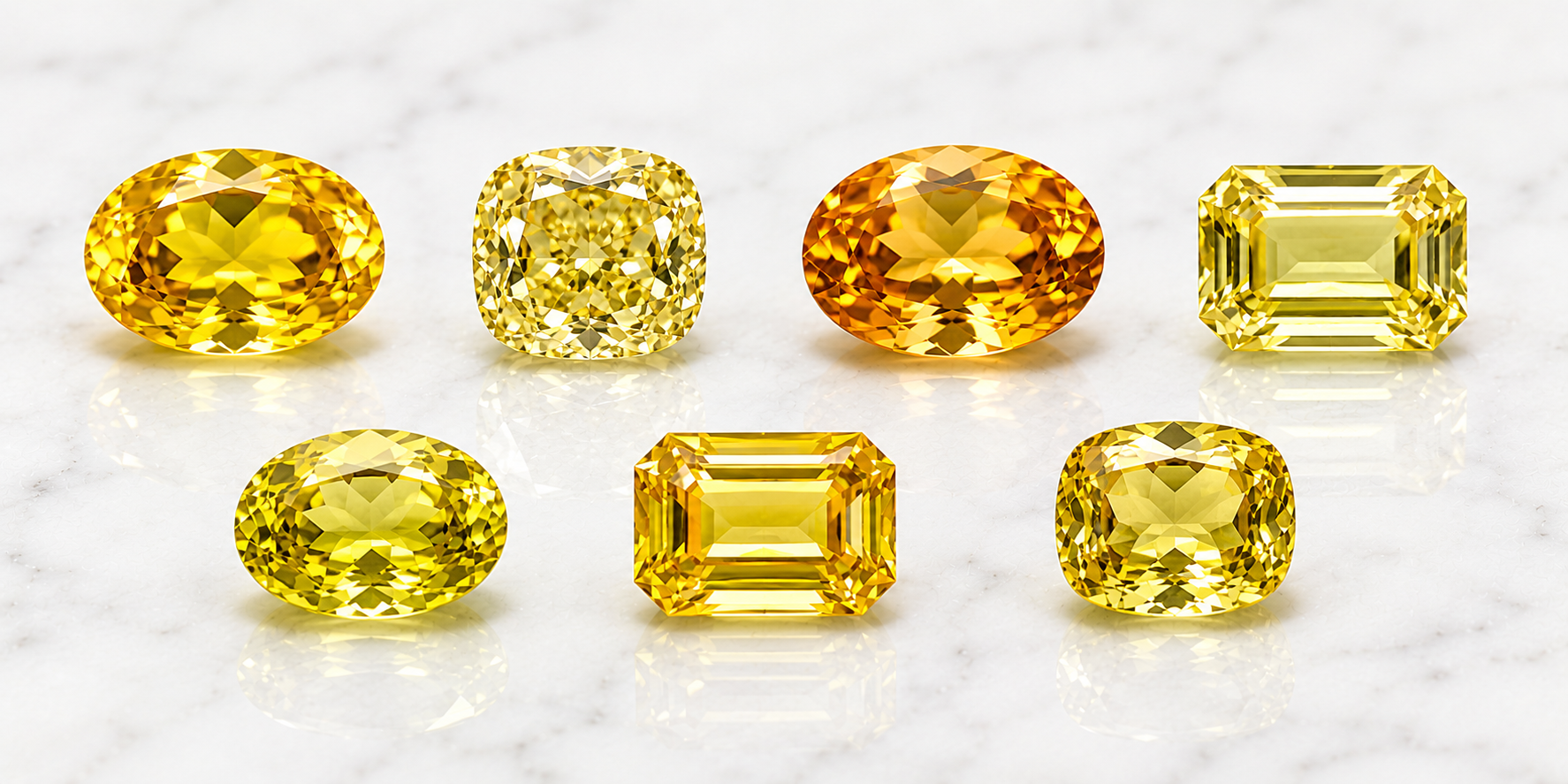
Yellow gemstones have been admired throughout history for their warm, radiant colours and uplifting appearance. Often associated with prosperity, optimism, wisdom, and abundance, yellow gemstones range from the timeless prestige of yellow sapphire to the bright brilliance of yellow diamonds and the affordability of citrine.
While many yellow gemstones may appear similar at first glance, they differ significantly in terms of rarity, durability, value, and composition. This guide explores some of the most popular yellow gemstones used in jewellery today.
Yellow Sapphire
Yellow sapphire is one of the most recognised yellow gemstones and belongs to the corundum family. Known as Pukhraj in India, it is highly valued for both its beauty and cultural significance.
Fine quality yellow sapphires display bright, evenly distributed colour with excellent transparency.
Colour: Pale yellow to vivid golden yellow
Hardness: 9 on the Mohs scale
Best for: Rings, pendants, bracelets, and heirloom jewellery
Key Characteristics
- Excellent durability for everyday wear
- One of the traditional precious gemstones
- Highly valued in fine jewellery
- May undergo heat treatment to improve appearance
Yellow Diamond
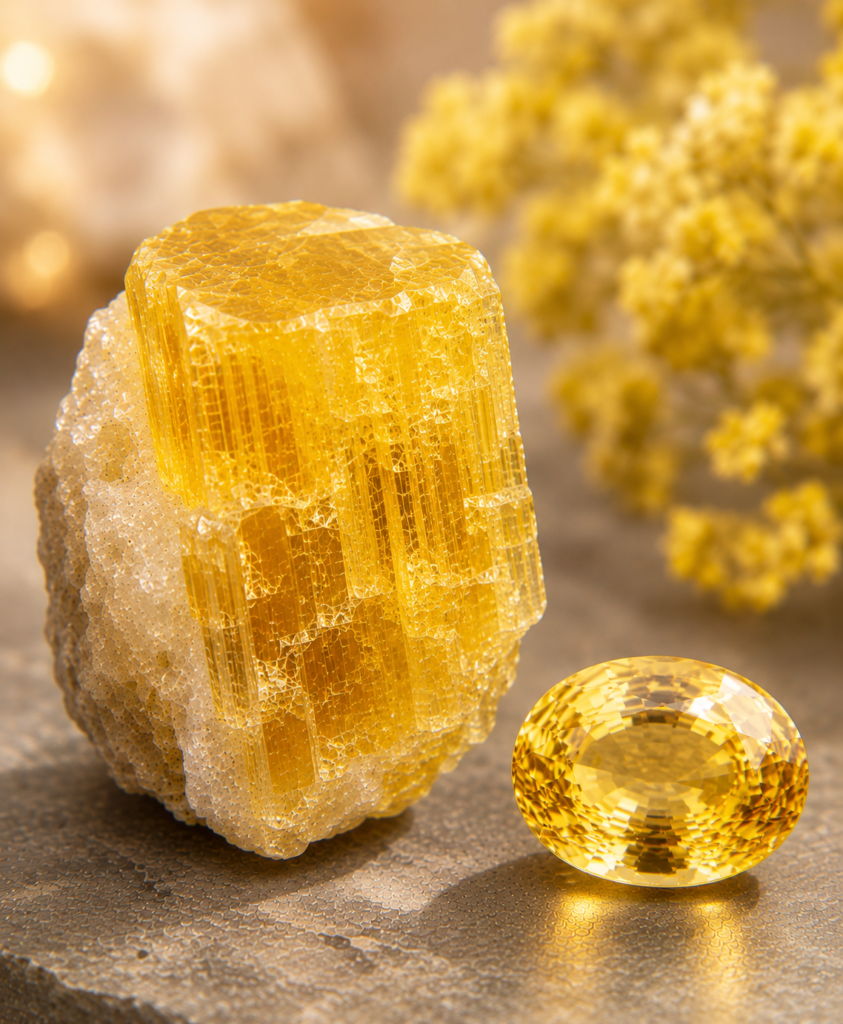
Yellow diamonds are natural diamonds whose colour results from the presence of nitrogen within their crystal structure. The intensity of colour can range from faint yellow to vivid canary yellow.
The most intensely coloured examples are among the most valuable fancy colour diamonds.
Colour: Light yellow to vivid canary yellow
Hardness: 10 on the Mohs scale
Best for: Rings, earrings, pendants, and investment jewellery
Key Characteristics
- The hardest natural gemstone
- Exceptional brilliance and durability
- Available in various intensity grades
- Highly sought after in luxury jewellery
Citrine
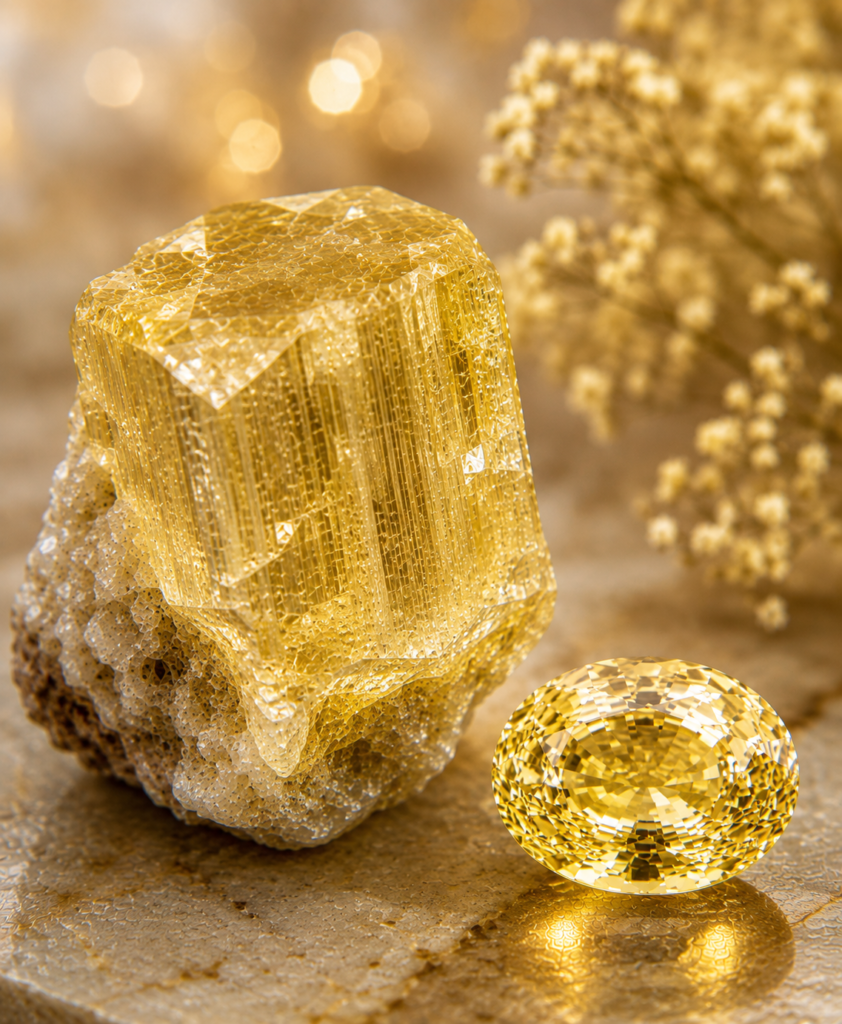
Citrine is the yellow variety of quartz and is appreciated for its affordability and cheerful appearance.
It has long been used in jewellery and remains a popular choice for those seeking attractive yellow gemstones at accessible price points.
Colour: Pale yellow to deep golden orange yellow
Hardness: 7 on the Mohs scale
Best for: Rings, pendants, earrings, and fashion jewellery
Key Characteristics
- Widely available and affordable
- Good durability for jewellery use
- Often cut into large gemstones
- Much of the commercial supply is heat treated
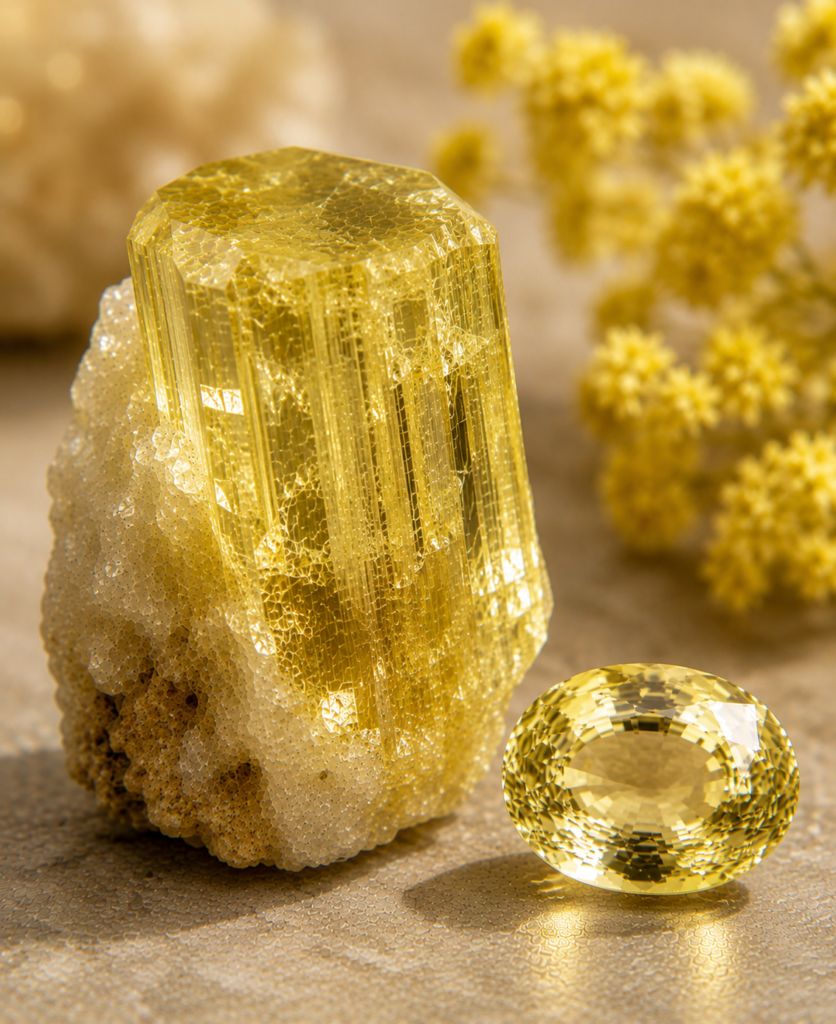
Heliodor
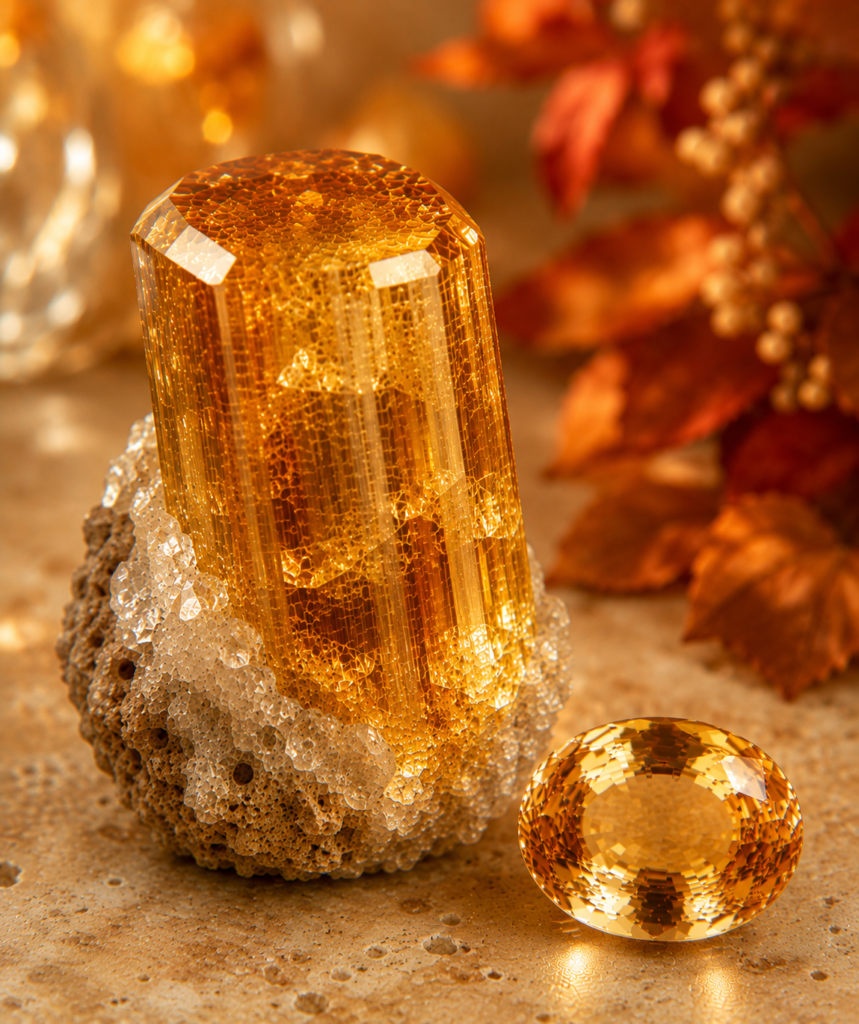
Heliodor is the yellow variety of the mineral beryl. Its name is derived from Greek words meaning “gift of the sun.”
It is admired for its attractive golden hues and excellent clarity.
Colour: Greenish yellow to golden yellow
Hardness: 7.5 to 8 on the Mohs scale
Best for: Rings, earrings, pendants, and fine jewellery
Key Characteristics
- Good durability for regular wear
- Often displays excellent transparency
- Less commonly encountered than aquamarine
- May undergo treatment to enhance colour
Golden Beryl
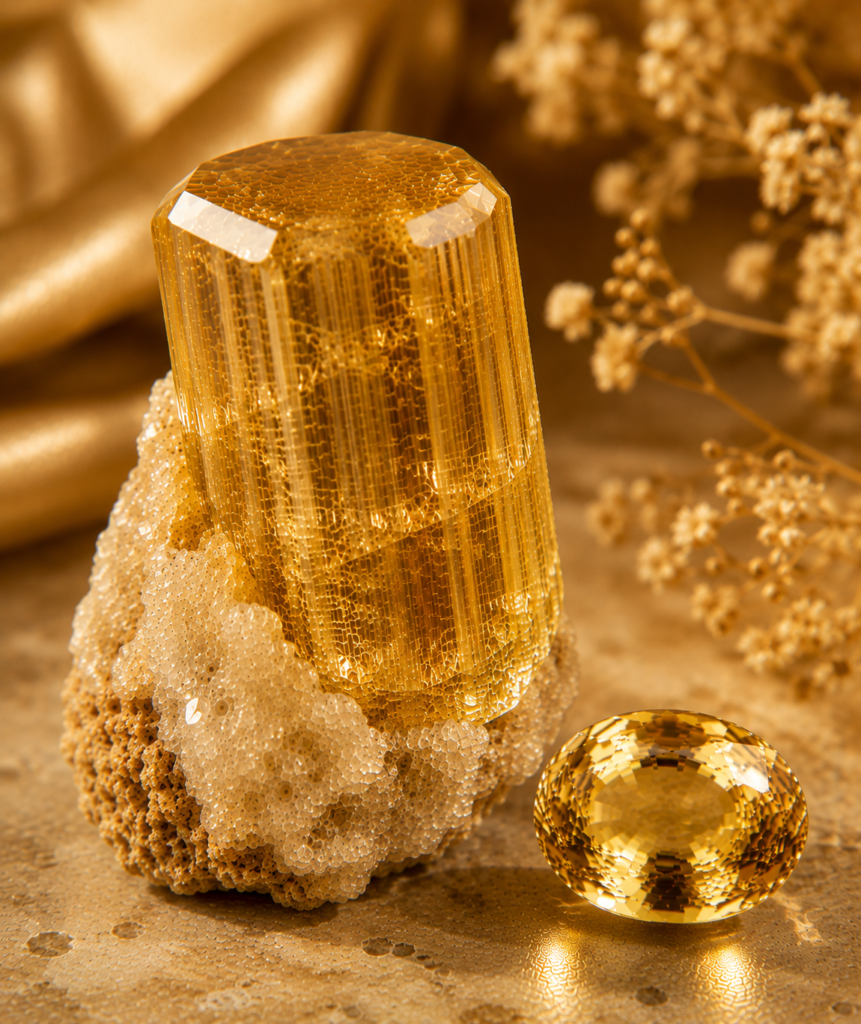
Golden beryl is closely related to heliodor and is prized for its elegant yellow tones.
Although less well known than emerald or aquamarine, it remains a beautiful choice for fine jewellery.
Colour: Soft yellow to rich golden yellow
Hardness: 7.5 to 8 on the Mohs scale
Best for: Rings, pendants, earrings, and statement jewellery
Key Characteristics
- Attractive clarity and brilliance
- Good durability with proper care
- Elegant and understated appearance
- Less common in mainstream jewellery
Yellow Topaz
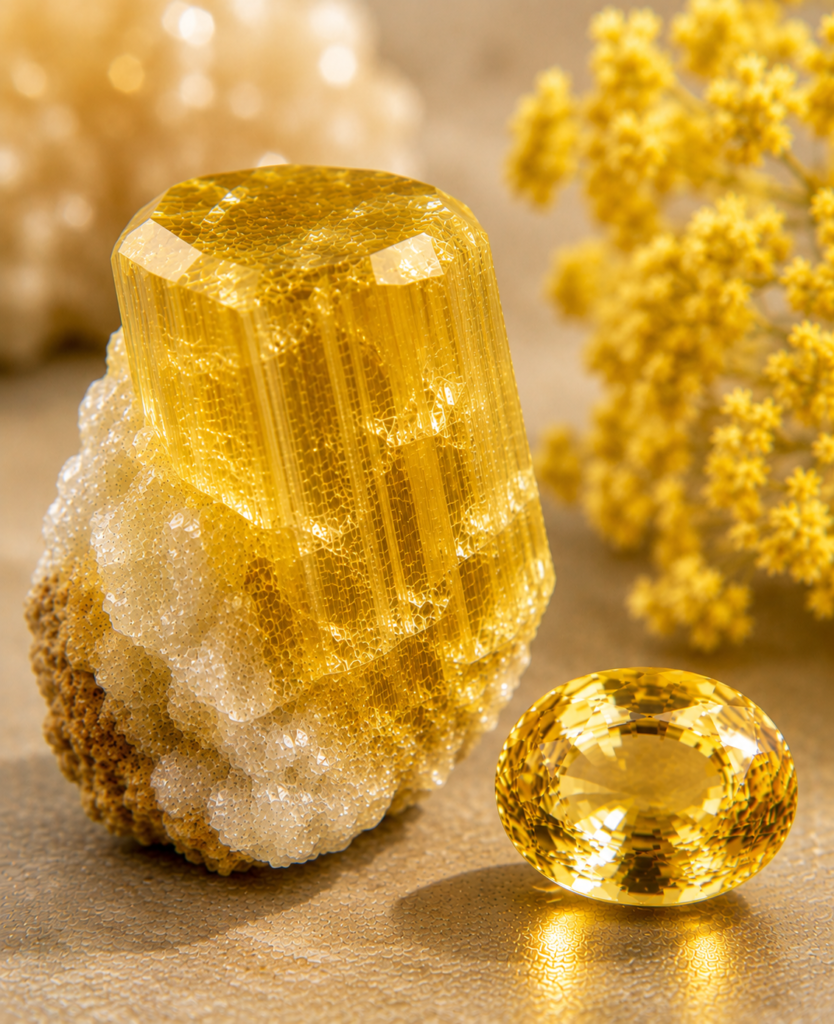
Yellow topaz has been valued for centuries for its warm colour and attractive brilliance.
Natural yellow topaz is less common than treated blue topaz and remains a desirable option for yellow gemstone jewellery.
Colour: Pale yellow to honey yellow
Hardness: 8 on the Mohs scale
Best for: Rings, earrings, pendants, and everyday jewellery
Key Characteristics
- Excellent durability for jewellery use
- Good transparency and brilliance
- Available in a range of yellow shades
- Requires protection from hard impacts due to cleavage
Chrysoberyl
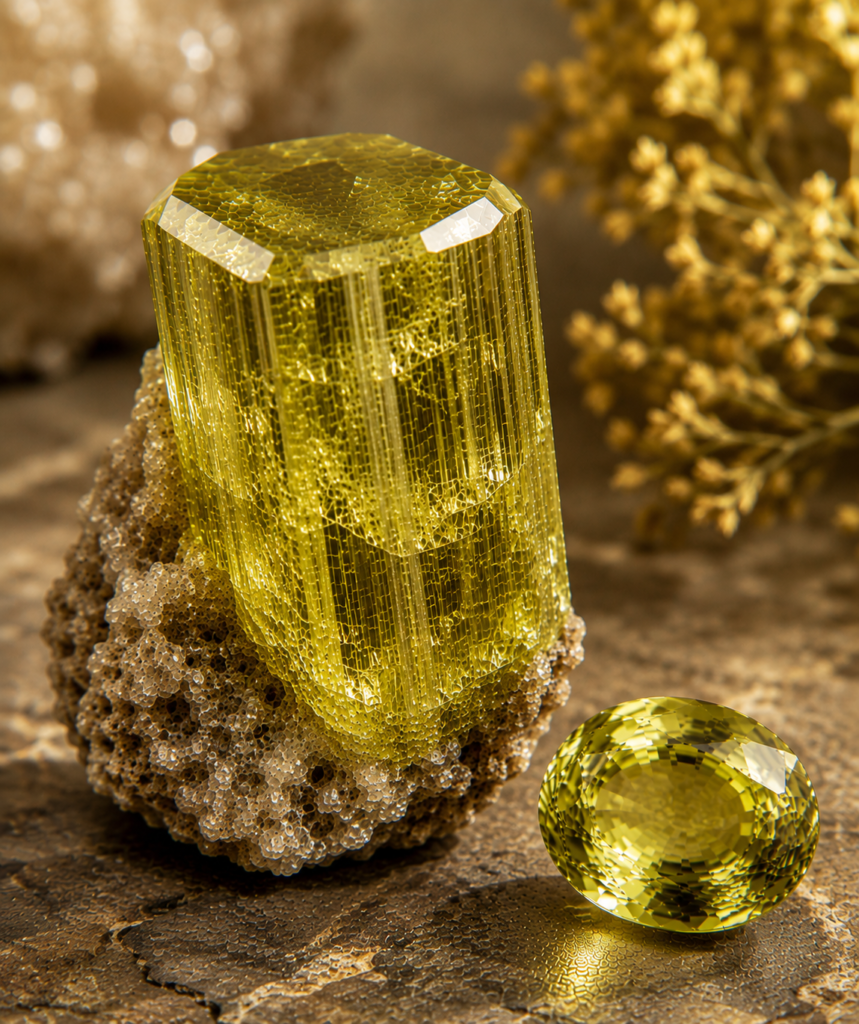
Chrysoberyl is a durable and attractive gemstone that occurs in a variety of colours, including yellow. It should not be confused with beryl, despite the similarity in name.
Fine quality yellow chrysoberyl is admired for its brightness and toughness.
Colour: Greenish yellow to golden yellow
Hardness: 8.5 on the Mohs scale
Best for: Rings, bracelets, pendants, and fine jewellery
Key Characteristics
- Excellent durability for daily wear
- Attractive brilliance and transparency
- Less common than many other yellow gemstones
- Highly regarded among gemstone collectors
| Comparison of Popular Yellow Gemstones | |||
| Gemstone | Colour | Hardness | Suitable for Daily Wear |
| Yellow Sapphire | Pale yellow to vivid golden yellow | 9 | Yes |
| Yellow Diamond | Light yellow to vivid canary yellow | 10 | Yes |
| Citrine | Pale yellow to deep golden orange yellow | 7 | With care |
| Heliodor | Greenish yellow to golden yellow | 7.5 to 8 | Yes |
| Golden Beryl | Soft yellow to rich golden yellow | 7.5 to 8 | Yes |
| Yellow Topaz | Pale yellow to honey yellow | 8 | Yes |
| Chrysoberyl | Greenish yellow to golden yellow | 8.5 | Yes |
How to Choose a Yellow Gemstone
When selecting a yellow gemstone, consider the following factors:
Colour
Colour is often the most important value factor. Rich, evenly distributed colour is generally preferred, although lighter shades may appeal to those seeking a softer appearance.
Durability
Harder gemstones such as yellow diamond, yellow sapphire, chrysoberyl, and yellow topaz are better suited for jewellery intended for everyday wear.
Rarity
Some yellow gemstones, such as fine quality yellow diamonds and chrysoberyl, are less common and may appeal more to collectors and enthusiasts.
Budget
Yellow gemstones are available across a wide range of price points, from relatively affordable citrine to highly valuable yellow diamonds and fine yellow sapphires.
Certification
Independent gemstone testing can provide valuable information about a gemstone’s identity and characteristics.
Why IDT Gemstone Certification Matters
Many yellow gemstones can appear remarkably similar to the naked eye. In some cases, gemstones may also undergo treatments to enhance their appearance. Professional gemstone testing helps provide greater transparency about the stone being purchased.
IDT Gemstone Certification helps identify important characteristics, including:
- The identity of the gemstone
- Whether the gemstone is natural or laboratory grown, where applicable
- The presence of detectable treatments
- Weight and measurements
- Colour and transparency observations
- Additional comments relevant to the gemstone
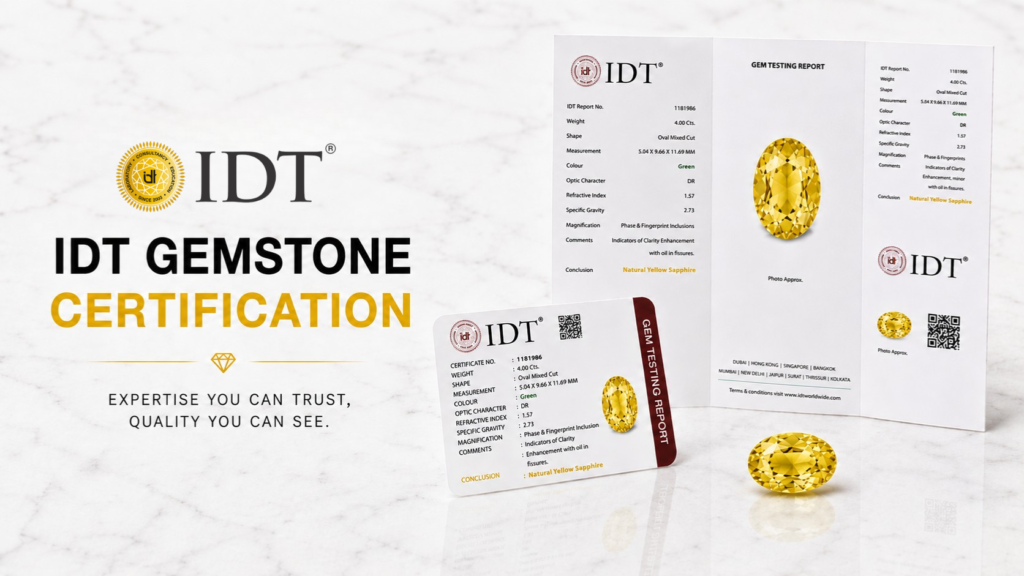
Whether purchasing a yellow sapphire, yellow diamond, citrine, heliodor, chrysoberyl, or another yellow gemstone, IDT Gemstone Certification provides an independent assessment to help buyers better understand the gemstone they own or intend to purchase.
Yellow gemstones remain some of the most admired coloured stones in the world. From the enduring appeal of yellow sapphire to the brilliance of yellow diamonds and the warmth of citrine, each gemstone offers its own unique beauty and characteristics.
Before purchasing a valuable yellow gemstone, understanding its identity, durability, and characteristics can help you make a more informed decision. Always insist on IDT Gemstone Certification for greater transparency and confidence.