
Born in March? Your birthstones are Aquamarine and Bloodstone.
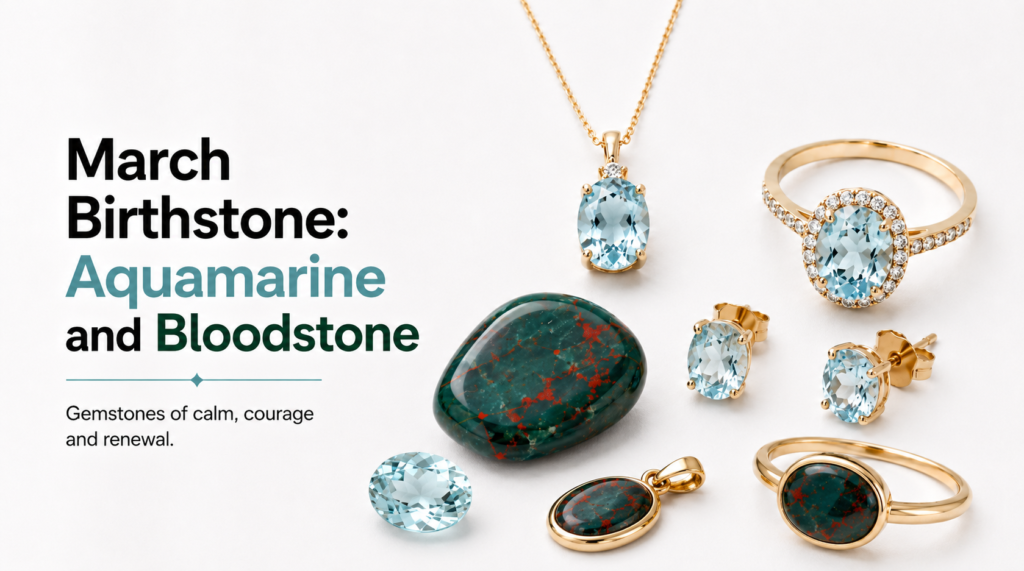
Aquamarine is best known for its refreshing blue to greenish-blue colour, while Bloodstone has a dark green appearance with distinctive red markings.
Both gemstones are meaningful choices for birthday jewellery, personalised gifts and pieces that celebrate an important relationship or milestone.
What Are the March Birthstones?
Aquamarine and Bloodstone are the traditional birthstones for March.
Aquamarine is a transparent gemstone that belongs to the beryl mineral family. It is recognised for its light blue, sky blue and greenish-blue colours.
Bloodstone is a variety of chalcedony. It generally has a dark green base with red, brown, yellow or white markings.
This gives March-born jewellery buyers two very different options, from elegant Aquamarine engagement rings to bold Bloodstone pendants and bracelets.
March Birthstones at a Glance
| Detail | Information |
|---|---|
| Birthstones | Aquamarine and Bloodstone |
| Birth month | March |
| Aquamarine colour | Blue to greenish blue |
| Bloodstone colour | Dark green with red markings |
| Traditionally represent | Protection, courage, calmness and strength |
| Jewellery options | Rings, earrings, pendants and bracelets |
What Do the March Birthstones Mean?
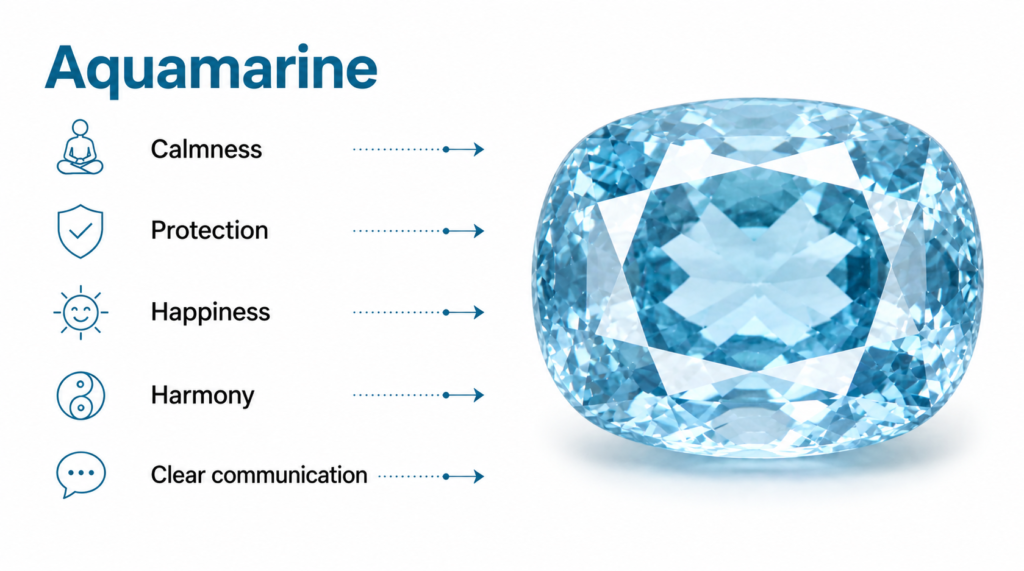
Aquamarine traditionally represents:
- Calmness
- Protection
- Happiness
- Harmony
- Clear communication
In earlier times, sailors carried Aquamarine because they believed it would protect them during sea journeys and calm the waves.
Today, Aquamarine jewellery can represent peace, emotional balance, a fresh beginning or a strong relationship.
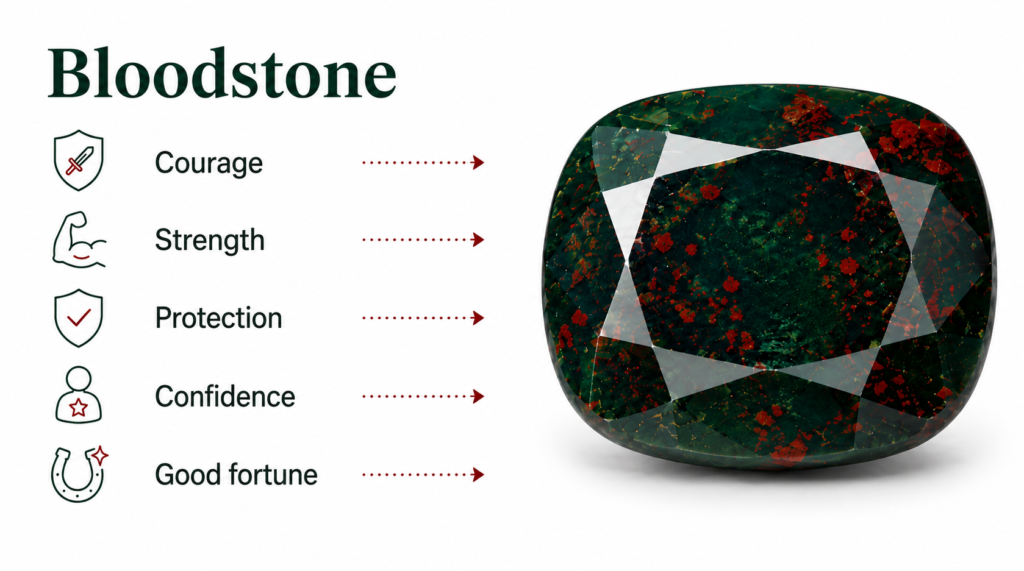
Bloodstone traditionally represents:
- Courage
- Strength
- Protection
- Confidence
- Good fortune
It has historically been worn as a symbol of resilience and determination.
Today, Bloodstone jewellery may represent personal strength, an important achievement or the courage to overcome a difficult period.
What Are the Benefits of Wearing Aquamarine and Bloodstone?
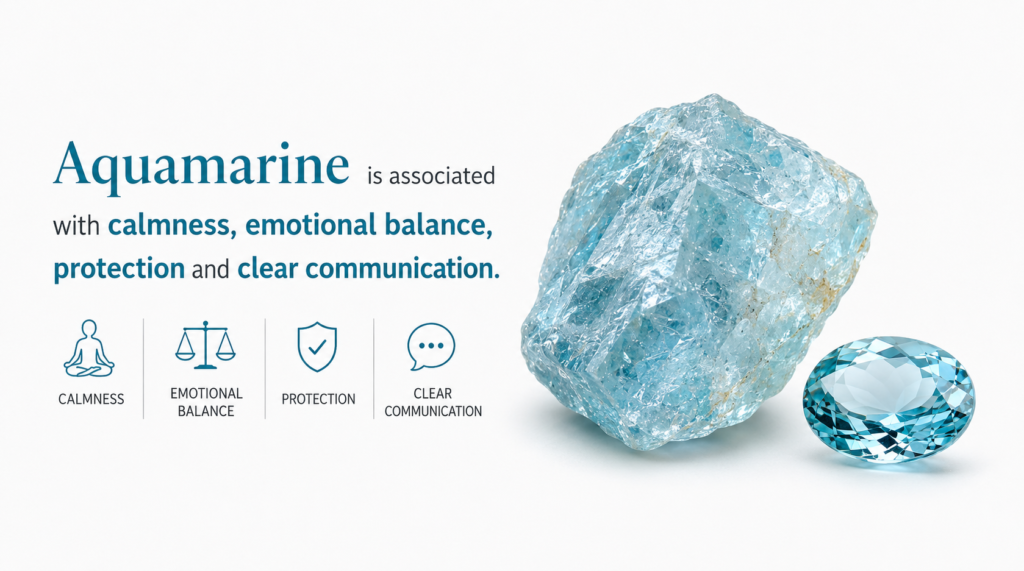
According to traditional beliefs, Aquamarine is associated with calmness, emotional balance, protection and clear communication.
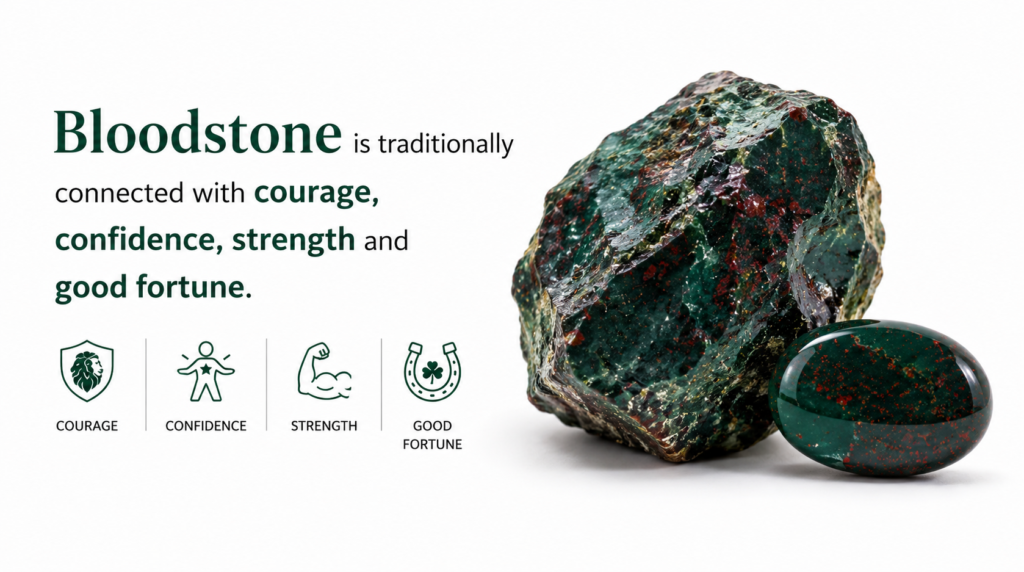
Bloodstone is traditionally connected with courage, confidence, strength and good fortune.
However, these benefits come from gemstone folklore and cultural traditions. They are not scientifically or medically proven.
The real benefit of wearing a March birthstone is often personal. It may remind you of your birth month, connect you with someone special or add meaning to a piece of jewellery.
What Colour Are the March Birthstones?
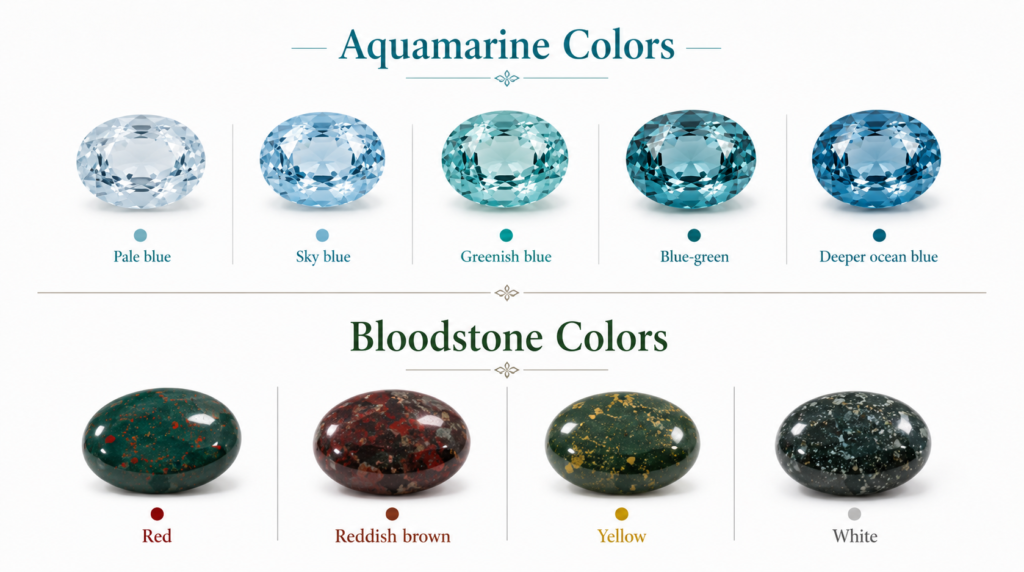
Aquamarine is available in shades including:
- Pale blue
- Sky blue
- Greenish blue
- Blue-green
- Deeper ocean blue
The most recognised Aquamarine colour is a fresh blue to slightly greenish blue.
Bloodstone generally has a dark green base with markings that may appear:
- Red
- Reddish brown
- Yellow
- White
Every Bloodstone has a different pattern, which gives each gemstone a distinctive appearance.
Popular March Birthstones
The two recognised March birthstones are:
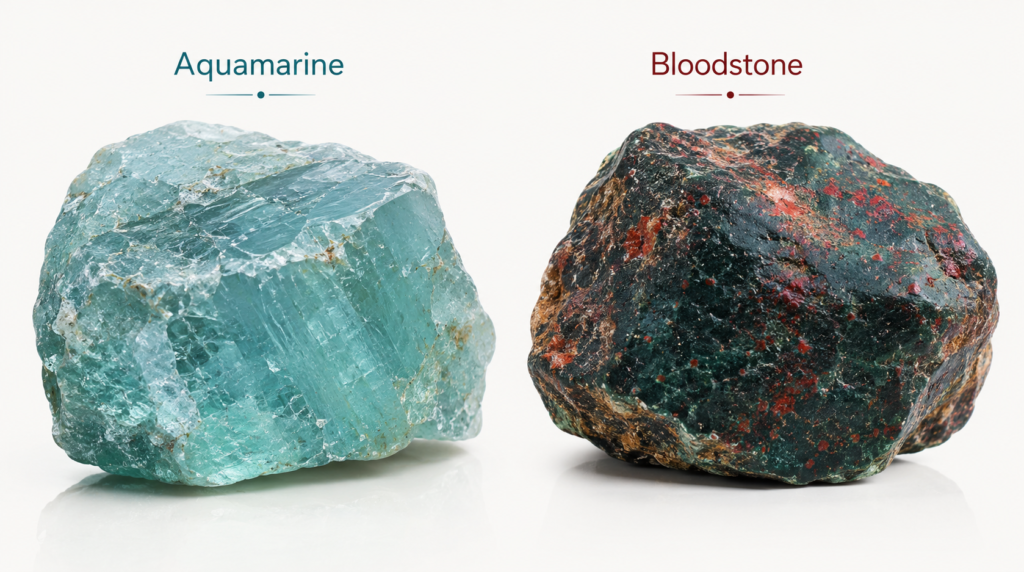
Aquamarine: A transparent blue to greenish-blue variety of beryl. It is commonly faceted and used in rings, earrings, pendants and bracelets.
Bloodstone: A dark green variety of chalcedony with contrasting red or brownish markings. It is commonly cut into cabochons, beads and carved designs.
Aquamarine is generally preferred for delicate, elegant and modern jewellery, while Bloodstone is often chosen for bold, vintage-inspired or statement pieces.
Are Aquamarine and Bloodstone Good for Everyday Jewellery?
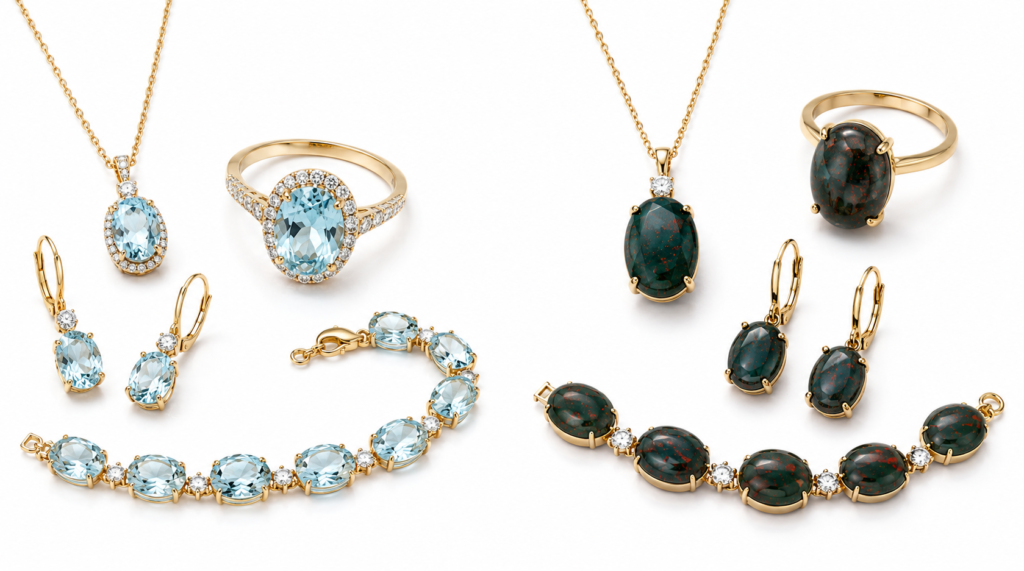
Aquamarine can be used in rings, engagement rings, earrings, pendants and bracelets. It is suitable for regular wear but should still be protected from hard knocks, scratches and extreme heat.
Aquamarine earrings and pendants are usually easier to maintain. Aquamarine rings can also be worn frequently when placed in a secure and protective setting.
Bloodstone can be used in rings, pendants, bracelets and beaded jewellery. However, it is more vulnerable to scratches than Aquamarine.
Bloodstone pendants and earrings are generally easier to maintain than rings. If worn in a ring, a protective setting can help reduce accidental damage.
Remove March birthstone jewellery before exercising, cleaning or doing activities that may damage the gemstone.
Is Every Blue or Green March Birthstone Genuine?
No. Colour alone cannot prove that a gemstone is natural Aquamarine or Bloodstone.
A blue gemstone may be Aquamarine, Blue Topaz, Sapphire, Zircon, synthetic Spinel, coloured glass or another imitation material.
Similarly, a dark green stone with red markings may resemble Bloodstone without being genuine Bloodstone.
Aquamarine may also receive heat treatment to reduce greenish tones and produce a more distinctly blue appearance.
This is why appearance alone should not be used to confirm a gemstone’s identity or treatment status.
Why IDT Certification Matters
IDT Gemological Laboratories examines gemstones using professional gemological instruments and testing methods.
An IDT Gemstone Identification Report can help provide information about:
- The gemstone’s identity
- Whether it is natural or synthetic, where applicable
- Detectable treatments
- Weight and measurements
Before purchasing valuable Aquamarine or Bloodstone jewellery, always insist on IDT Certification and verify the report through IDT’s official verification platform.

Before purchasing valuable Garnet jewellery or a loose Garnet, always insist on IDT Certification and verify the report through IDT’s official verification platform.
How to Care for March Birthstone Jewellery
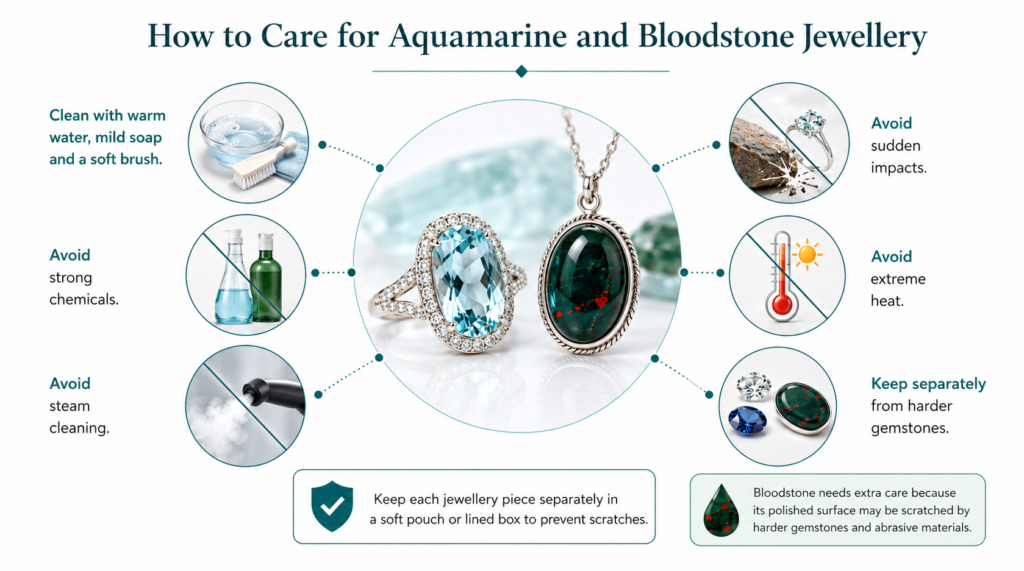
Clean Aquamarine and Bloodstone jewellery using warm water, mild soap and a soft brush.
Avoid:
- Strong chemicals
- Steam cleaning
- Sudden impacts
- Extreme heat
- Storing them with harder gemstones
Keep each jewellery piece separately in a soft pouch or lined box to prevent scratches.
Bloodstone should receive additional care because its polished surface may be scratched by harder gemstones and abrasive materials.
Conclusion
Aquamarine and Bloodstone are the traditional March birthstones and are loved for their distinctive colours and meaningful symbolism.
Aquamarine traditionally represents calmness, protection and harmony, while Bloodstone is associated with strength, courage and good fortune.
Whether you choose a delicate blue Aquamarine or a bold patterned Bloodstone, make sure you understand what you are buying.
Look beyond the colour, ask about treatments and always insist on IDT Certification.
Frequently Asked Questions
What are the birthstones for March?
Aquamarine and Bloodstone are the traditional birthstones for March.
What colour is the March birthstone?
Aquamarine is blue to greenish blue. Bloodstone is generally dark green with red or brownish markings.
What does Aquamarine represent?
Aquamarine traditionally represents calmness, protection, harmony and happiness.
What does Bloodstone represent?
Bloodstone traditionally represents courage, strength, protection and good fortune.
Are the benefits of March birthstones scientifically proven?
No. The benefits connected with Aquamarine and Bloodstone come from traditional beliefs and folklore.
Can Aquamarine and Bloodstone be worn every day?
Yes, but both gemstones should be protected from scratches, hard knocks and strong chemicals. Bloodstone generally requires more careful handling.
How can I check whether Aquamarine or Bloodstone is genuine?
Ask for an independent gemstone report, such as IDT Certification, instead of relying only on the gemstone’s colour or appearance.