
Best Gemstones for Everyday Wear: A Complete Guide
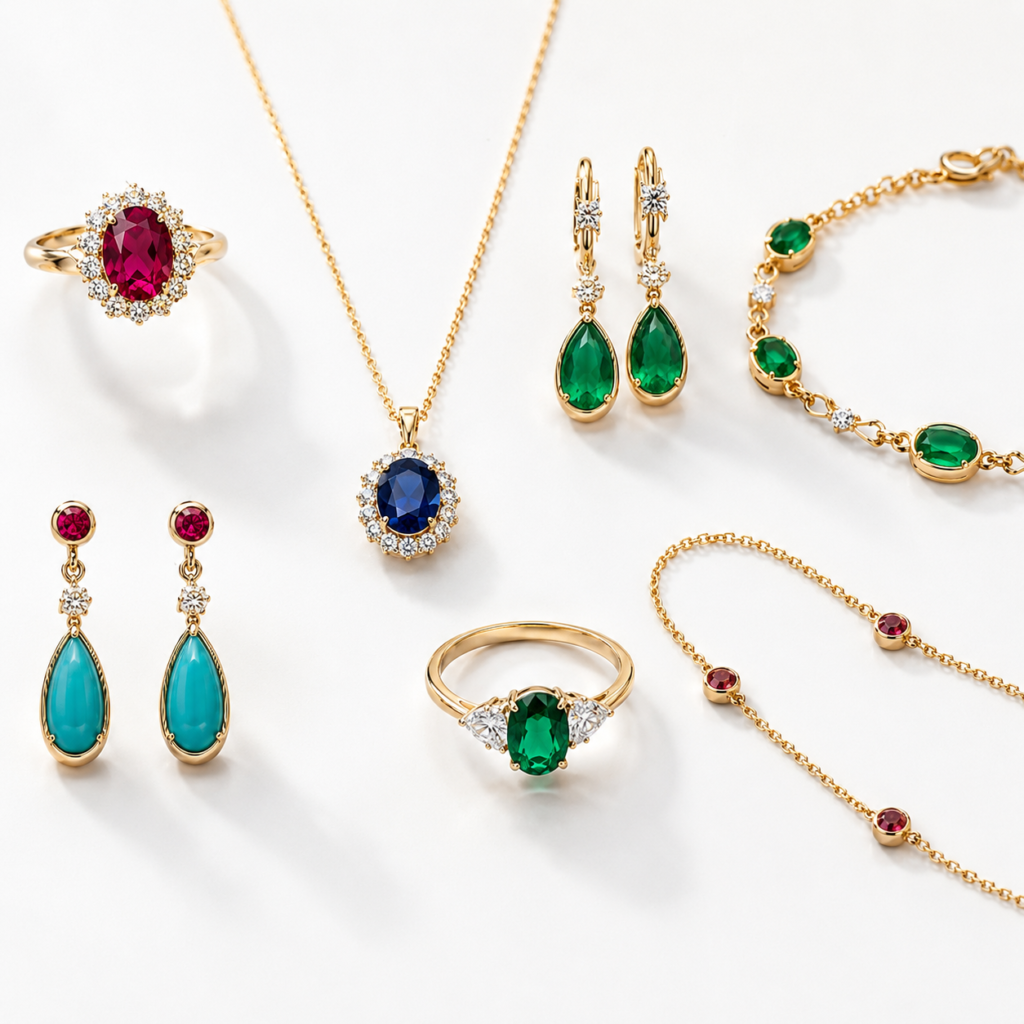
Gemstone jewellery can add colour, personality and meaning to your everyday style. However, not every gemstone is suitable for regular use. The best gemstones for everyday wear should be able to withstand frequent exposure to scratches, accidental knocks, chemicals, heat and regular cleaning. A gemstone may look beautiful, but its hardness, toughness, stability, treatments and jewellery setting all determine whether it can be worn daily. In this guide, we explain which gemstones are best for daily wear, which require extra care and how gemstone certification can help you make an informed choice. What Makes a Gemstone Suitable for Everyday Wear? Many buyers judge gemstone durability only by the Mohs hardness scale. However, hardness is only one part of a gemstone’s overall durability. Three factors determine whether a gemstone is suitable for everyday wear: A gemstone may rank high on the Mohs scale but still be vulnerable to breaking. Topaz, for example, has a hardness of 8 but can split along its cleavage direction when struck. The type of jewellery also matters. Rings and bracelets are more exposed to impacts than earrings and pendants. A delicate gemstone may therefore be suitable for everyday earrings but not for an everyday ring. Best Gemstones for Everyday Wear The following gemstones offer a strong combination of hardness, toughness and stability, making them suitable for regularly worn jewellery. 1. Diamond Diamond is one of the best gemstones for everyday wear because it ranks 10 on the Mohs hardness scale. It offers excellent resistance to scratching and surface abrasion. This makes diamond a popular choice for engagement rings, wedding rings, earrings, pendants and bracelets. However, diamonds are not unbreakable. A strong impact at a vulnerable edge or point can still cause chipping. Secure settings and regular jewellery inspections are important for diamond jewellery worn daily. Best suited for: Rings, earrings, pendants, bracelets and everyday jewellery. 2. Ruby Ruby ranks 9 on the Mohs scale and belongs to the corundum mineral family. It has excellent toughness and no distinct cleavage, making it one of the best coloured gemstones for daily wear. Rubies can withstand regular use when properly set and maintained. However, fracture-filled, cavity-filled or dyed rubies may require additional care. Best suited for: Rings, engagement rings, earrings, pendants and bracelets. 3. Sapphire Sapphire also belongs to the corundum family and ranks 9 on the Mohs scale. Its hardness, toughness and stability make it one of the best gemstones for everyday rings. Although blue sapphire is the most recognised variety, sapphires are also available in pink, yellow, green, orange and other colours. Untreated and heat-treated sapphires are generally durable. Fracture-filled or dyed sapphires may require more cautious handling and cleaning. Best suited for: Rings, engagement rings, earrings, pendants and bracelets. 4. Alexandrite Alexandrite ranks approximately 8.5 on the Mohs scale and has excellent toughness. It is also generally stable under normal wearing conditions. Its durability makes it suitable for everyday jewellery, although it should still be removed before exercise, heavy cleaning or activities involving hard surfaces. Best suited for: Rings, earrings, pendants and carefully worn bracelets. 5. Spinel Spinel ranks 8 on the Mohs scale and offers good toughness. It is available in red, pink, blue, purple and several other colours. Its durability and colour range make spinel an excellent option for buyers looking for a gemstone suitable for regular wear. Fracture-filled spinel may require different cleaning methods and should be handled carefully. Best suited for: Rings, earrings, pendants and bracelets. Gemstones Suitable for Daily Wear with Some Care Some gemstones can be worn regularly but require greater protection from scratches, impacts and unsuitable cleaning methods. Aquamarine Aquamarine ranks approximately 7.5 to 8 on the Mohs scale. It is durable enough for regular jewellery and can be used in rings, earrings and pendants. People with active lifestyles should consider a protective setting for an aquamarine ring. Best suited for: Earrings, pendants and carefully worn rings. Morganite Morganite belongs to the beryl mineral family and ranks around 7.5 to 8 on the Mohs scale. It is suitable for everyday jewellery with reasonable care. Because its light colour can show oils and dirt easily, regular gentle cleaning may be necessary. Best suited for: Earrings, pendants and rings with protective settings. Tourmaline Tourmaline ranks approximately 7 to 7.5 on the Mohs scale. It can be worn regularly but should be protected from hard impacts and extreme heat. Warm water, mild soap and a soft brush are generally safer than steam or ultrasonic cleaning. Best suited for: Earrings, pendants and carefully worn rings. Amethyst Amethyst ranks 7 on the Mohs scale. It is suitable for regular wear, particularly in earrings and pendants. Amethyst rings may develop scratches or surface wear over time, especially when worn daily. It should be stored separately from harder gemstones. Best suited for: Earrings, pendants and occasional daily-wear rings. Citrine Citrine is also a variety of quartz and ranks 7 on the Mohs scale. It can be used in daily jewellery but may gradually show scratches when frequently worn in rings or bracelets. Best suited for: Earrings, pendants and protected rings. Garnet Different garnet varieties generally range from approximately 6.5 to 7.5 on the Mohs scale. Garnet can be worn regularly, although it is more vulnerable to scratching than diamond, ruby or sapphire. Earrings and pendants usually experience less impact than rings. Best suited for: Earrings, pendants and rings with secure settings. Gemstones That Require Extra Care These gemstones can still be worn and enjoyed, but they may not be the best gemstones for everyday rings, particularly for people with active routines. Emerald Emerald ranks approximately 7.5 to 8 on the Mohs scale, but natural emeralds often contain inclusions and surface-reaching fissures. Many emeralds are treated with oil or other substances to improve their apparent clarity. These treatments can affect how the gemstone should be cleaned and maintained. Emerald jewellery should be protected from hard impacts, chemicals, heat and sudden temperature changes. Best suited for: Earrings, pendants and carefully worn rings with protective settings. Topaz Topaz