
Would You Know If Your Diamond Was Swapped?
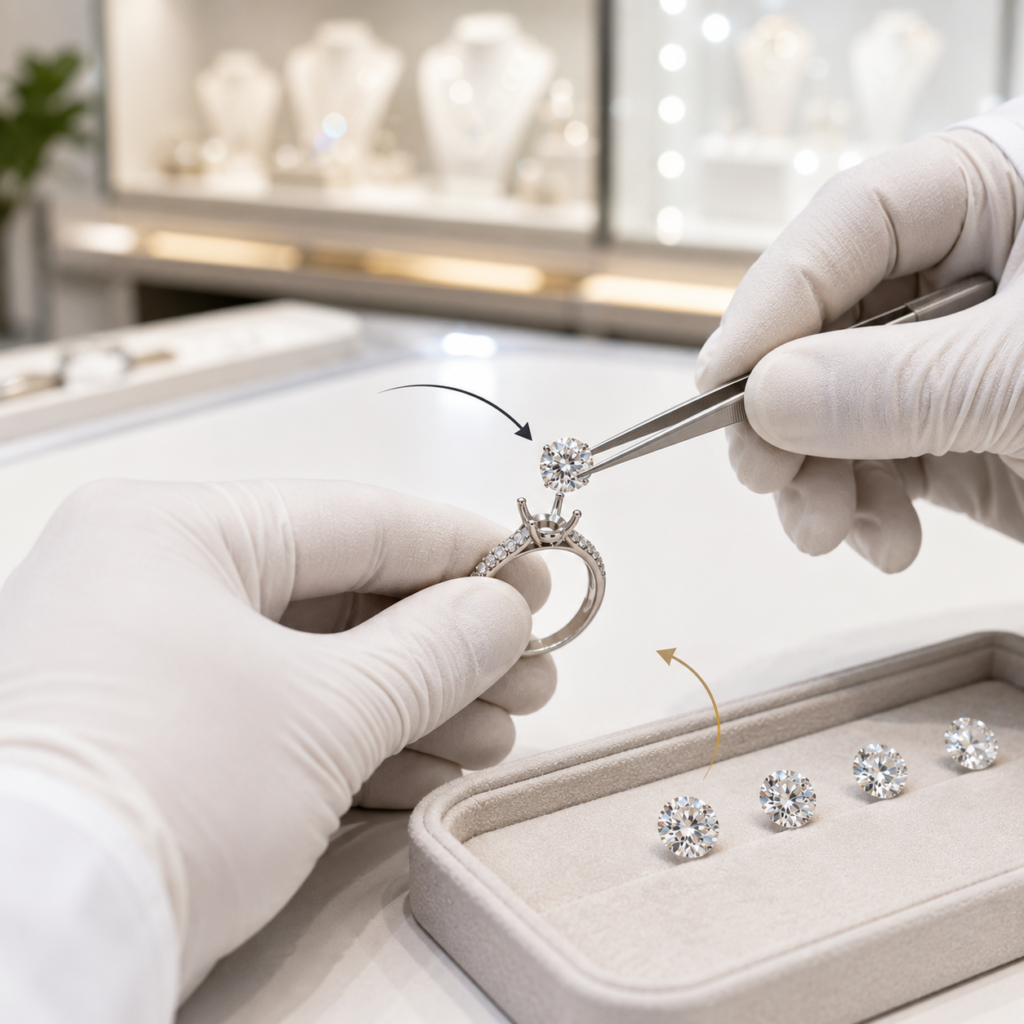
You leave your diamond ring at a jeweller for cleaning, resizing, or a prong repair. When you collect it a few days later, would you know if it’s the same diamond? Most diamonds look remarkably similar to the untrained eye. Without an independent record of your diamond’s identifying characteristics, it can be difficult to distinguish one stone from another. While diamond swapping is uncommon, especially with reputable jewellers, it is a concern many consumers have. Independent diamond certification helps establish a record of the diamond examined by a gemological laboratory, making future verification easier. In this guide, we’ll explain how laser inscriptions, QR verification, and gemological reports work together to help identify your diamond. What Is a Diamond Laser Inscription? A laser inscription is a microscopic marking engraved on the girdle, the thin outer edge of a diamond. It is not visible to the naked eye and generally requires a jeweller’s microscope or a 10× loupe to view. Many certified diamonds, particularly larger stones, carry a laser inscription. Whether an inscription is present depends on factors such as the diamond’s size and the laboratory’s certification policy. When present, the inscription often corresponds to the report number shown on the laboratory certificate. How Diamond Identification Works A laboratory report documents several identifying characteristics of a diamond, which may include: Together, these characteristics create a record of the diamond examined at the time of certification. How Diamond Certification Helps A diamond certificate provides more than grading information. It also creates an independent reference that can assist with future identification. Depending on the report, this may include: Because internal inclusions are naturally occurring, they can help distinguish one diamond from another when documented. Three Steps Before Leaving Your Jewellery for Service Before handing over your jewellery for cleaning, repair, or resizing, consider taking a few simple precautions. 1. Keep a Copy of Your Certificate Store your original laboratory report safely and keep a digital copy for quick reference. 2. Check the Laser Inscription If your diamond has an inscription, ask the jeweller to show it under magnification before leaving the jewellery. Make a note of the inscription number. 3. Photograph Your Jewellery Take clear photographs of the jewellery from multiple angles. While photographs cannot replace laboratory documentation, they can serve as a useful personal reference. How to Check Your Diamond After Collection When you receive your jewellery back: Verify the Certificate Use the report number or QR code to access the issuing laboratory’s official verification page. Confirm that the report details correspond with your jewellery. Compare Identifying Features Review the certificate and compare: Confirm the Laser Inscription Where applicable, view the inscription under magnification and ensure it matches the report number. What If My Diamond Has No Inscription? Not every diamond carries a laser inscription. Smaller diamonds and some older certifications may not include one. In such cases, laboratories may rely on other identifying characteristics, including: If your diamond has never been independently certified, obtaining a laboratory report can establish a useful reference for the future. Why IDT Certification Matters An IDT Diamond Certificate provides an independent and detailed record of the diamond examined by IDT Gemological Laboratories. It documents the diamond’s identifying characteristics, helping you verify and recognise your stone in the future. IDT Certification can support: Whether you are purchasing a new diamond, inheriting jewellery, or leaving a treasured ring with a jeweller, an IDT Certificate provides reliable information and an added level of assurance. Always insist on IDT Certification. Frequently Asked Questions Can laser inscriptions be copied? In some circumstances, a laser inscription can be recreated if the inscription number is known. This is one reason laboratories may also document additional identifying characteristics, such as internal inclusions and photographs, where applicable. Do all certified diamonds have laser inscriptions? No. Many laboratories offer laser inscription for eligible diamonds, but policies vary depending on the laboratory and certification service. What if my diamond was certified years ago? Older reports may still be useful if they can be verified and accurately match the diamond. If additional reassurance is needed, the diamond can usually be submitted for a fresh examination. Can a diamond be identified without a laser inscription? Yes. Gemological laboratories can often identify diamonds using a combination of measurements, internal characteristics, and other gemological observations.
Best Gemstones for Everyday Wear: A Complete Guide
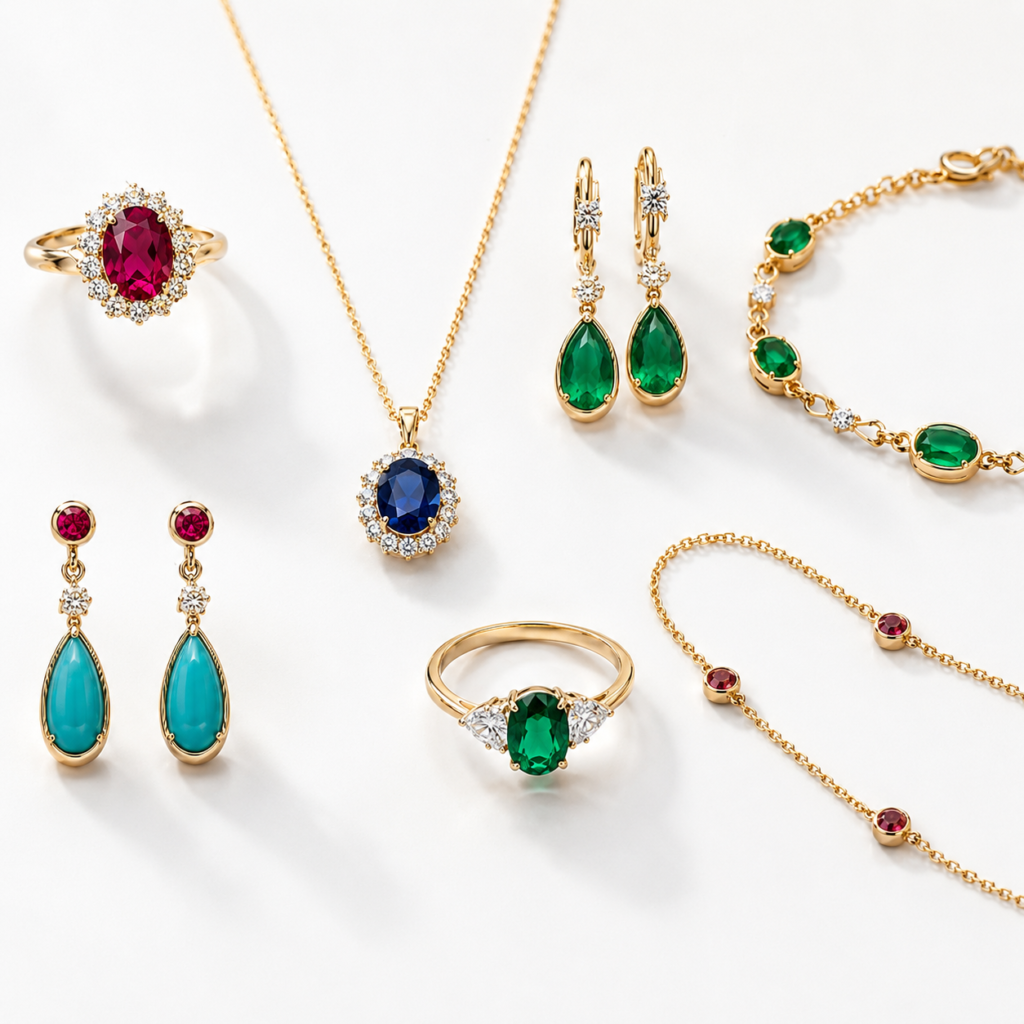
Gemstone jewellery can add colour, personality and meaning to your everyday style. However, not every gemstone is suitable for regular use. The best gemstones for everyday wear should be able to withstand frequent exposure to scratches, accidental knocks, chemicals, heat and regular cleaning. A gemstone may look beautiful, but its hardness, toughness, stability, treatments and jewellery setting all determine whether it can be worn daily. In this guide, we explain which gemstones are best for daily wear, which require extra care and how gemstone certification can help you make an informed choice. What Makes a Gemstone Suitable for Everyday Wear? Many buyers judge gemstone durability only by the Mohs hardness scale. However, hardness is only one part of a gemstone’s overall durability. Three factors determine whether a gemstone is suitable for everyday wear: A gemstone may rank high on the Mohs scale but still be vulnerable to breaking. Topaz, for example, has a hardness of 8 but can split along its cleavage direction when struck. The type of jewellery also matters. Rings and bracelets are more exposed to impacts than earrings and pendants. A delicate gemstone may therefore be suitable for everyday earrings but not for an everyday ring. Best Gemstones for Everyday Wear The following gemstones offer a strong combination of hardness, toughness and stability, making them suitable for regularly worn jewellery. 1. Diamond Diamond is one of the best gemstones for everyday wear because it ranks 10 on the Mohs hardness scale. It offers excellent resistance to scratching and surface abrasion. This makes diamond a popular choice for engagement rings, wedding rings, earrings, pendants and bracelets. However, diamonds are not unbreakable. A strong impact at a vulnerable edge or point can still cause chipping. Secure settings and regular jewellery inspections are important for diamond jewellery worn daily. Best suited for: Rings, earrings, pendants, bracelets and everyday jewellery. 2. Ruby Ruby ranks 9 on the Mohs scale and belongs to the corundum mineral family. It has excellent toughness and no distinct cleavage, making it one of the best coloured gemstones for daily wear. Rubies can withstand regular use when properly set and maintained. However, fracture-filled, cavity-filled or dyed rubies may require additional care. Best suited for: Rings, engagement rings, earrings, pendants and bracelets. 3. Sapphire Sapphire also belongs to the corundum family and ranks 9 on the Mohs scale. Its hardness, toughness and stability make it one of the best gemstones for everyday rings. Although blue sapphire is the most recognised variety, sapphires are also available in pink, yellow, green, orange and other colours. Untreated and heat-treated sapphires are generally durable. Fracture-filled or dyed sapphires may require more cautious handling and cleaning. Best suited for: Rings, engagement rings, earrings, pendants and bracelets. 4. Alexandrite Alexandrite ranks approximately 8.5 on the Mohs scale and has excellent toughness. It is also generally stable under normal wearing conditions. Its durability makes it suitable for everyday jewellery, although it should still be removed before exercise, heavy cleaning or activities involving hard surfaces. Best suited for: Rings, earrings, pendants and carefully worn bracelets. 5. Spinel Spinel ranks 8 on the Mohs scale and offers good toughness. It is available in red, pink, blue, purple and several other colours. Its durability and colour range make spinel an excellent option for buyers looking for a gemstone suitable for regular wear. Fracture-filled spinel may require different cleaning methods and should be handled carefully. Best suited for: Rings, earrings, pendants and bracelets. Gemstones Suitable for Daily Wear with Some Care Some gemstones can be worn regularly but require greater protection from scratches, impacts and unsuitable cleaning methods. Aquamarine Aquamarine ranks approximately 7.5 to 8 on the Mohs scale. It is durable enough for regular jewellery and can be used in rings, earrings and pendants. People with active lifestyles should consider a protective setting for an aquamarine ring. Best suited for: Earrings, pendants and carefully worn rings. Morganite Morganite belongs to the beryl mineral family and ranks around 7.5 to 8 on the Mohs scale. It is suitable for everyday jewellery with reasonable care. Because its light colour can show oils and dirt easily, regular gentle cleaning may be necessary. Best suited for: Earrings, pendants and rings with protective settings. Tourmaline Tourmaline ranks approximately 7 to 7.5 on the Mohs scale. It can be worn regularly but should be protected from hard impacts and extreme heat. Warm water, mild soap and a soft brush are generally safer than steam or ultrasonic cleaning. Best suited for: Earrings, pendants and carefully worn rings. Amethyst Amethyst ranks 7 on the Mohs scale. It is suitable for regular wear, particularly in earrings and pendants. Amethyst rings may develop scratches or surface wear over time, especially when worn daily. It should be stored separately from harder gemstones. Best suited for: Earrings, pendants and occasional daily-wear rings. Citrine Citrine is also a variety of quartz and ranks 7 on the Mohs scale. It can be used in daily jewellery but may gradually show scratches when frequently worn in rings or bracelets. Best suited for: Earrings, pendants and protected rings. Garnet Different garnet varieties generally range from approximately 6.5 to 7.5 on the Mohs scale. Garnet can be worn regularly, although it is more vulnerable to scratching than diamond, ruby or sapphire. Earrings and pendants usually experience less impact than rings. Best suited for: Earrings, pendants and rings with secure settings. Gemstones That Require Extra Care These gemstones can still be worn and enjoyed, but they may not be the best gemstones for everyday rings, particularly for people with active routines. Emerald Emerald ranks approximately 7.5 to 8 on the Mohs scale, but natural emeralds often contain inclusions and surface-reaching fissures. Many emeralds are treated with oil or other substances to improve their apparent clarity. These treatments can affect how the gemstone should be cleaned and maintained. Emerald jewellery should be protected from hard impacts, chemicals, heat and sudden temperature changes. Best suited for: Earrings, pendants and carefully worn rings with protective settings. Topaz Topaz
Birthstones by Month: Meanings, Colours and Benefits
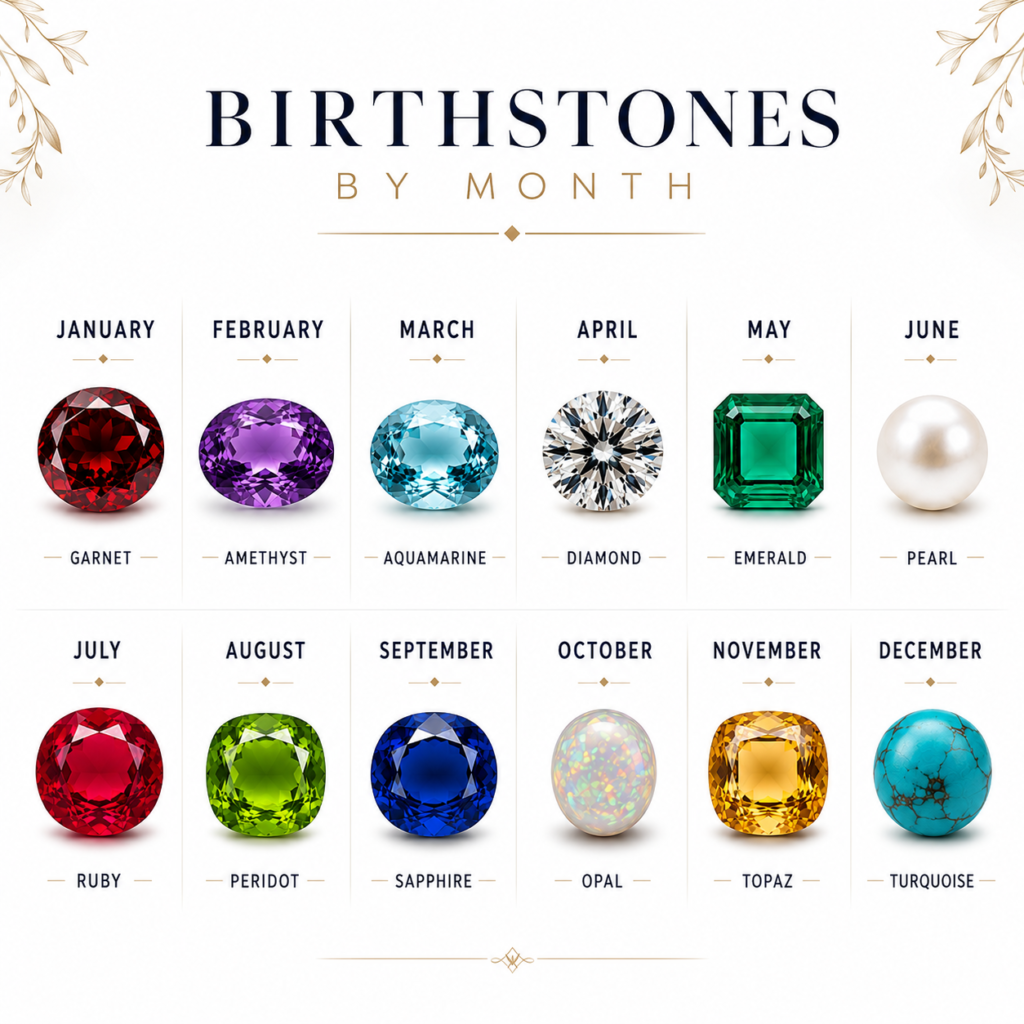
Birthstones are gemstones traditionally associated with the month in which a person is born. They are commonly worn in rings, pendants, bracelets and earrings as symbols of identity, personality and personal milestones. But birthstones were not assigned to months because of a proven scientific connection. The tradition is believed to have developed from ancient associations between 12 gemstones, the 12 zodiac signs and the 12 months of the year. The official birthstone list commonly followed by the jewellery industry was established in 1912 and has been updated over time. The benefits associated with birthstones come from history, folklore and cultural beliefs. They should not be treated as scientifically or medically proven effects. Their real appeal lies in the personal meaning they add to jewellery. Birthstones by Month Chart Month Birthstone Colour Traditionally Represents January Garnet Red, green, orange and purple Protection and commitment February Amethyst Purple Clarity and calmness March Aquamarine, Bloodstone Blue, dark green and red Peace and courage April Diamond Colourless and fancy colours Strength and lasting love May Emerald Green Growth and renewal June Pearl, Alexandrite, Moonstone White, colour-changing and iridescent Purity and transformation July Ruby Red Passion and confidence August Peridot, Spinel, Sardonyx Green and multiple colours Positivity and protection September Sapphire Blue and multiple colours Loyalty and truth October Opal, Tourmaline Multicoloured Creativity and individuality November Topaz, Citrine Yellow, orange, blue and pink Warmth and prosperity December Turquoise, Tanzanite, Zircon Blue and blue-violet Protection and new beginnings January Birthstone: Garnet Garnet became January’s recognised birthstone through historical birthstone traditions and the modern official list. It traditionally represents protection, friendship, commitment and prosperity. Garnet was once carried by travellers as a protective gemstone and was believed to promote confidence and happiness. Although deep red is its best-known colour, Garnet also occurs in vibrant green, orange, yellow and purple varieties, giving January-born jewellery buyers more choices than they may expect. February Birthstone: Amethyst Amethyst is February’s birthstone and has long been associated with calmness, clear thinking and emotional balance. Its name comes from the Greek amethystos, linked to the ancient belief that the gemstone helped its wearer remain clear-headed and in control. Its shades range from soft lilac to deep royal purple, making it suitable for both delicate everyday jewellery and bold statement pieces. March Birthstones: Aquamarine and Bloodstone Aquamarine and Bloodstone are the birthstones for March. Aquamarine’s name means “seawater”, and ancient sailors believed it offered protection during sea journeys. It represents peace, clarity, communication and harmony. Bloodstone, recognised by its dark green colour and red spots, traditionally represents strength, courage and vitality. Aquamarine suits elegant, modern jewellery, while Bloodstone is an interesting choice for buyers who prefer earthy and unconventional designs. April Birthstone: Diamond Diamond is April’s birthstone and traditionally represents clarity, strength, commitment and eternal love. Its exceptional hardness and ancient natural formation have made it a symbol of something valuable and enduring. Diamond jewellery is suitable for birthdays, engagements, anniversaries and future heirlooms. Buyers should confirm whether a Diamond is natural, laboratory-grown or treated, as these categories may look similar but have different origins and market values. May Birthstone: Emerald Emerald is associated with May, and its rich green colour has long symbolised spring, rebirth, renewal and growth. Traditionally, Emerald represents prosperity, wisdom, hope and successful new beginnings. Its unmistakable green colour makes it a striking choice for rings, pendants and statement jewellery. Natural Emeralds commonly contain inclusions, and many are treated with oil or resin to improve their appearance, so treatment disclosure is important. June Birthstones: Pearl, Alexandrite and Moonstone June has three birthstones. Pearl represents purity, humility and elegance. Alexandrite, known for changing colour under different lighting, represents transformation, balance and adaptability. Moonstone displays a soft floating glow and is traditionally connected with intuition, calmness and new beginnings. Together, they give June-born buyers three very different options: timeless Pearl, rare colour-changing Alexandrite or softly glowing Moonstone. July Birthstone: Ruby Ruby is July’s birthstone, and its vivid red colour has long been associated with love, passion, power and youthful energy. It was traditionally believed to give its wearer courage, protection and success in love. Ruby is especially meaningful for romantic gifts, milestone jewellery and heirloom pieces. Since natural, synthetic, heated and fracture-filled Rubies can appear similar, their origin and treatment status should be checked before purchase. August Birthstones: Peridot, Spinel and Sardonyx August has three recognised birthstones. Peridot represents positivity, protection and prosperity and was historically worn as a protective talisman. Spinel represents renewal, hope and resilience and is available in colours such as red, pink, purple, blue and black. Sardonyx represents courage, stability and strength. These choices make August especially interesting for buyers seeking anything from bright green jewellery to colourful or vintage-inspired designs. September Birthstone: Sapphire Sapphire is September’s birthstone and traditionally represents truth, loyalty, sincerity and wisdom. It has been worn by royalty and religious leaders for centuries, strengthening its connection with nobility and faithfulness. Although best known in blue, Sapphire is also available in pink, yellow, green, purple, orange and white. Its durability makes it a popular choice for engagement rings and jewellery intended for regular wear. October Birthstones: Opal and Tourmaline Opal and Tourmaline are October’s birthstones. Opal’s changing play-of-colour has made it a symbol of hope, creativity and imagination. Tourmaline represents individuality and artistic expression and is available in an exceptional range of colours, including pink, green, blue and multicoloured combinations. Every Opal and Tourmaline can look different, making October birthstone jewellery especially appealing to buyers who want something personal and distinctive. November Birthstones: Topaz and Citrine Topaz and Citrine are the birthstones for November. Their warm yellow and orange shades are traditionally associated with sunlight, happiness, confidence and prosperity. Topaz also occurs in blue, pink, brown and colourless varieties, while Citrine ranges from pale yellow to deep orange. They are attractive options for buyers who want bright and cheerful jewellery. Much of the blue Topaz in the market is treated, and some Citrine is produced by heating other Quartz varieties. December Birthstones: Turquoise, Tanzanite
Why Certified Diamonds Have Better Resale Value
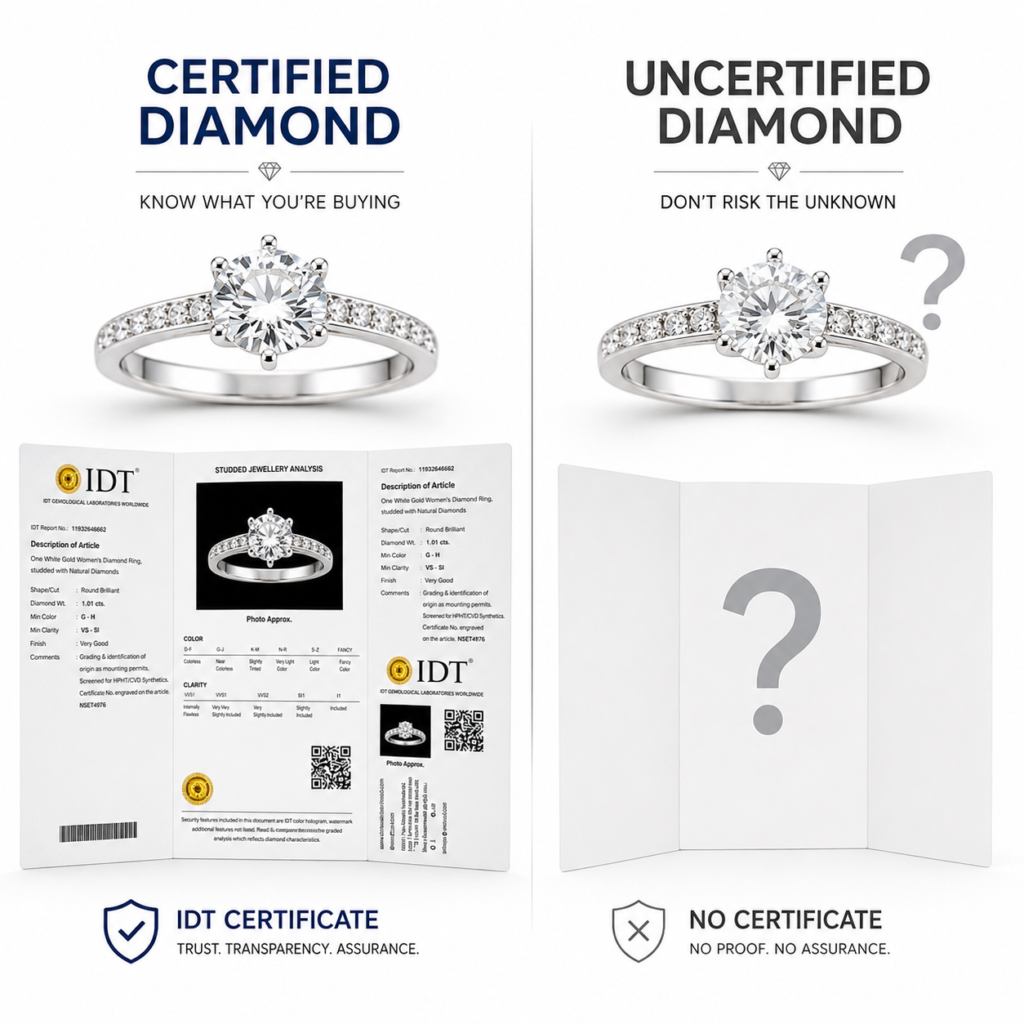
You Buy a Diamond for Love. You Sell It for Value. Whether it is an upgrade, an emergency, or an estate sale, the day may come when you need to sell your diamond. At resale, emotion matters less and proof matters more. A buyer wants to know what the diamond actually is, whether it is natural, what its 4Cs are, and whether it has been treated. That is where a diamond certificate becomes important. IDT diamond certification supports diamond resale value by giving buyers verified information instead of guesswork. It does not guarantee a fixed resale price, but it helps the buyer evaluate the diamond with more confidence. How Jewellers Value Diamonds for Buyback When you sell diamond jewellery, the jeweller is not only looking at the design. They are checking the diamond’s identity and quality. Here are the three main questions they need answered: 1. Is it natural? Without a diamond certificate stating Conclusion: Natural Diamond, the jeweller may need to test it first. That takes time and adds risk. For more on risks of uncertified stones, see The Hidden Risk of Buying Uncertified Diamonds. 2. What are the exact 4Cs? Color, clarity, cut, and carat weight affect value. With certified diamonds, these details are recorded on the diamond grading certificate. Without certification, the jeweller has to grade the diamond again and may give a more conservative offer to protect against error. 3. Has it been treated? The Comments section on an IDT report states No indications of treatment or lists the treatment, if present. Treatment disclosure is important because treated diamonds may have different market values. If treatment is not disclosed, it can reduce trust during resale. With IDT certification, these questions are answered faster.The buyer can scan the QR code or verify the report number online. Without certification, the jeweller starts with uncertainty.That uncertainty can delay the process and may affect the offer. Certified vs Uncertified Diamonds at Resale: What Actually Happens Factor Certified Diamond Uncertified Diamond Natural origin Report clearly states the conclusion Buyer may need additional testing 4Cs Color, clarity, cut, and carat are documented Jeweller must re-grade the diamond Treatment status Treatment details are disclosed in the report Treatment may be unknown until tested Buyer confidence Higher, because details are verified Lower, because the buyer takes more risk Time required Faster verification through QR or report number Slower process due to testing and checking Offer discussion Based on documented details May be based on conservative assumptions This is why the resale value of certified diamonds is usually better protected. The diamond certificate does not change the diamond itself, but it gives the buyer the proof needed to evaluate it properly. For example, a certified diamond allows the buyer to check the report, verify the 4Cs, and make an offer faster. An uncertified diamond usually needs testing first, which can delay the process and lead to a more cautious offer. What Type of IDT Certificate Protects Resale Value? 1. For Loose Diamonds: Diamond Grading Report This is your diamond grading certificate. It includes important details such as carat weight, color, clarity, cut, measurements, plot diagram, and laser inscription of the report number on the girdle, where applicable. At resale: The buyer can verify the report, match the stone’s details, and confirm that it is the same diamond. 2. For Finished Jewellery: Studded Jewellery Analysis This is used for rings, necklaces, earrings, bracelets, and other diamond jewellery. IDT also certified the Miss India 2024 crowns under its jewellery certification process. Includes: Total diamond weight, minimum color grade, minimum clarity grade, metal details, and laser engraving of certificate number on the jewellery, if opted by the jeweller. At resale: The buyer can verify the report and check the engraving if present. This helps support the value of the complete jewellery piece. Key point: Loose diamonds need a Diamond Grading Report, while finished jewellery needs Studded Jewellery Analysis. Both help support diamond resale value. For details on reading each report, see How to Read an IDT Certificate. 4 Ways IDT Certification Supports Diamond Resale Value 1. Reduces Grading Risk for the Buyer A jeweller buying an uncertified diamond has to re-grade it. If they grade it too high, they may lose money. Because of this, uncertified diamonds may receive more conservative offers. With IDT certification: The buyer gets documented grades and can make an offer based on verified details. 2. Proves Natural Origin Conclusion: Natural Diamond on an IDT report helps answer one of the biggest resale questions: Is the diamond natural or lab-grown? Without certification, the buyer may need additional testing before making a decision. 3. Discloses Treatment Clearly If a diamond is clarity enhanced, HPHT treated, or has any other disclosed treatment, the report mentions it in the Comments section. Buyers may still purchase treated diamonds, but they need to know the facts. Certification helps keep the transaction transparent. 4. Enables Online Verification Every IDT certificate has a Report Number and QR code. The buyer can check the report details online, which helps reduce doubt and makes the resale process smoother. What About Diamonds Without Laser Inscription or Engraving? If your Diamond Grading Report does not have laser inscription, the report can still be useful. The jeweller can match the diamond using measurements, plot diagram, and other report details. For studded jewellery, laser engraving is a special in-lab service chosen by some jewellers. The Studded Jewellery Analysis report is valid whether or not laser engraving is present. Verification through the Report Number helps confirm authenticity. How to Maximise Your Diamond’s Resale Value If you have not bought yet: If you already own a diamond: Quote from Gaurav Issar, Founder, IDT “A diamond without a certificate is a story. A certified diamond is an asset. IDT certified the Miss India 2024 crowns, featuring 12,349 natural diamonds, because when value must be proven, only facts work. That is the same standard we apply to your diamond.” The IDT Standard: Your Diamond’s Passport Think of your IDT certificate
Heated vs Unheated Sapphire: Which Is Better for You?
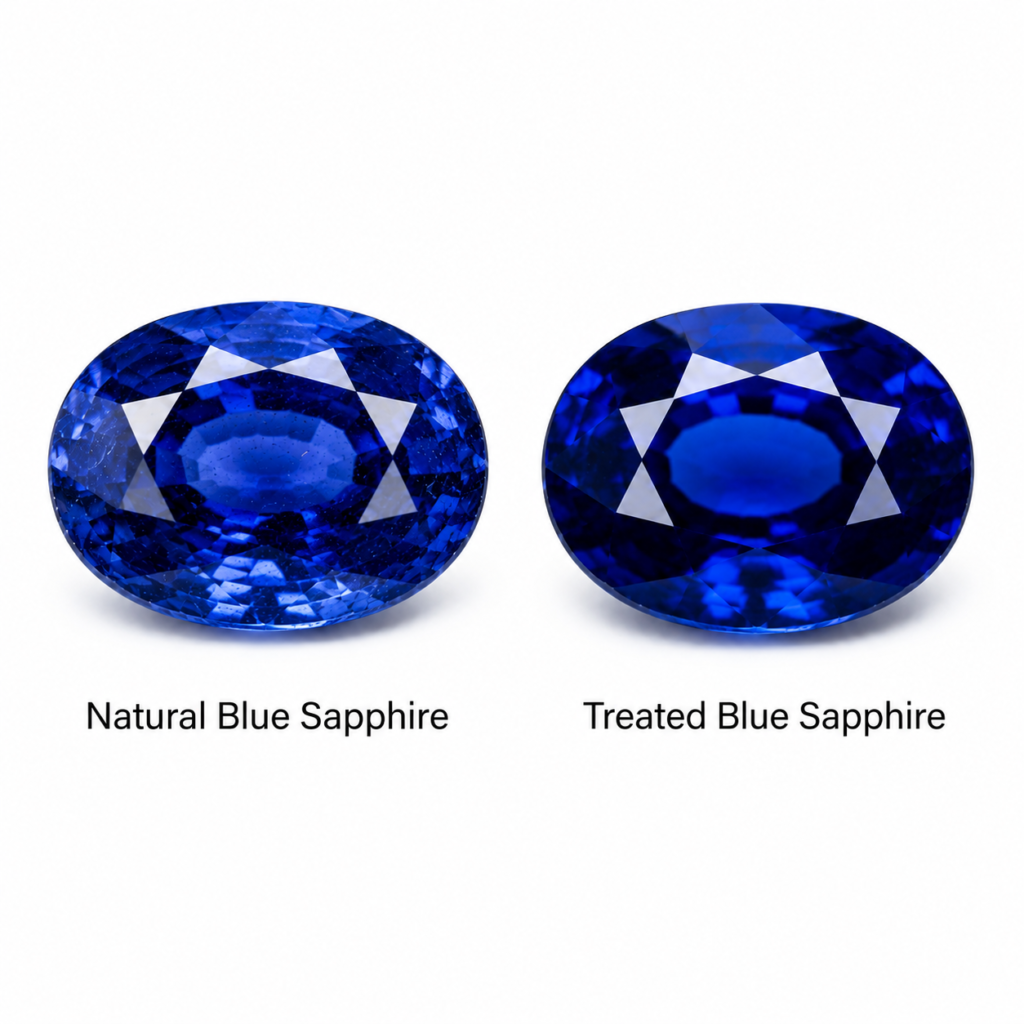
90% of Blue and Yellow Sapphires Are Heated. Does It Matter? Walk into any jewellery store. Ask for “blue sapphire” or “yellow sapphire”. Most stones you see have been heated. Heat treatment is standard in the gem trade. It makes pale sapphires vivid blue. It makes cloudy sapphires cleaner. It makes yellow sapphires brighter. But here’s the problem: Most buyers don’t know their stone is heated. And for astrology, that detail is critical. IDT lab data, 2026: In the last 12 months, IDT tested 1,500+ sapphires. 62% showed indications of heating after testing. Many buyers assumed their stones were unheated, but only a gemological test can confirm. This guide explains heated vs unheated sapphire, how IDT detects treatment, and why your gemstone certification must state it clearly. What Is Heat Treatment in Sapphires? Heat treatment means exposing a sapphire to high temperatures, around 1700°C to 1800°C, in a controlled furnace. No chemicals are added. The heat changes the sapphire’s internal structure. What it does: Key fact: Heated sapphire is still natural sapphire. It started in the earth. Humans only applied heat. But the treatment must be disclosed on the certificate. What Is Unheated Sapphire? Unheated sapphire means the stone came out of the earth with its color and clarity intact. No high heat was applied. Only basic cutting and polishing. Why it’s rare: Most sapphires from the earth are too pale, too dark, or too silky to sell. Only a small percentage of mined sapphires are gem quality without heating. That’s why unheated sapphires are less common. Known sources: Kashmir, Burma, Sri Lanka, Madagascar produce sapphires. However, stones from any source can be heated or unheated. Only testing confirms it. Heated vs Unheated: 5 Key Differences Important: You cannot tell heated vs unheated by eye. Both can be vivid blue or yellow. Only gemstone certification from a lab like IDT can confirm. Can Heated Sapphire Be Used for Astrology? Different astrologers have different views. Many astrologers who prescribe blue sapphire for Saturn or yellow sapphire for Jupiter request “natural, unheated sapphire”. They believe heating alters the stone’s natural energy. Other astrologers may accept heated if the stone is natural and the color is good. IDT’s role: We do not advise on astrology. We test the stone and report facts. Our certificate has a “Comment” line that states: You and your astrologer decide if it matches the prescription. How IDT Detects Heat Treatment in Sapphire When you bring a blue or yellow sapphire to IDT labs in Delhi, Mumbai, Surat, Kolkata, Thrissur, Chennai, or our three Dubai locations, here’s how we check for heating: Result: Your IDT certificate removes doubt. You know exactly what you’re buying. Quote from Gaurav Issar, Founder, IDT: “Sapphire buyers ask us daily: is it heated or unheated? You cannot assume. IDT tests every sapphire for heat. If it’s heated, we state Indications of heating. If it’s not, we state No indications of heating. Check the Comment line on your IDT certificate. Then verify free at idtworldwide.com/verify.” 4 Common Myths About Heated Sapphire Myth 1: “Heated means fake” Fact: Heated sapphire is 100% natural sapphire. Only heat was applied. It is not synthetic or glass. Myth 2: “I can tell unheated by color” Fact: You cannot. Some heated sapphires are more vivid than unheated. Some unheated sapphires are pale. Only a lab test confirms. Myth 3: “All jewellers disclose heating” Fact: IDT data shows most buyers are unaware their sapphire is heated until it’s tested. Always ask for gemstone certification. Myth 4: “Unheated is always better” Fact: For astrology, many prefer unheated. For jewellery, heated can be more beautiful. “Better” depends on your need. But you must know which one you have. How to Buy Safely: Your Unheated Sapphire Checklist Before you buy blue or yellow sapphire: IDT is an independent gemological laboratory. We do not sell gemstones. We test stones for buyers and issue certificates. You can verify any IDT certificate free before purchase or before wearing. Which Is Better: Heated or Unheated? There is no universal “better.” There is only “better for your purpose.” And you can only decide if your IDT certificate tells you the truth. Frequently Asked Questions What is the difference between heated and unheated sapphire? Heated sapphire is natural sapphire that was exposed to high heat to improve color or clarity. Unheated sapphire had no heat treatment. Both are natural. IDT certificates state “Indications of heating” or “No indications of heating.” Is heated sapphire bad for astrology? Different astrologers have different views. Many astrologers prefer unheated, untreated sapphire for astrological use. Always check with your astrologer and check the Comment line on your IDT certificate. Can IDT detect if my sapphire is heated? Yes. IDT gemologists use microscopy, spectroscopy, and advanced instruments to detect indications of heating. The result is stated clearly on your IDT report. Are most blue sapphires heated? Yes. The majority of blue and yellow sapphires in the market are heat treated. Unheated sapphires are less common. That’s why gemstone certification is critical. Does heating affect durability? No. Heat treatment is stable and permanent. A heated sapphire is as durable as an unheated sapphire. The difference is rarity and astrological preference. Which gemstone certificate is best in India for sapphire? Look for certificates from established labs that clearly state “Natural” or “Synthetic” and “No indications of heating” or “Indications of heating.” IDT Gemological Laboratories Worldwide provides both and has certified 15M+ pieces. Before You Buy Sapphire, Check the Treatment Line Heated sapphire is beautiful. Unheated sapphire is less common. Both are natural. But for astrology, for peace of mind, you need to know which one you have. Check your IDT gemstone certificate free: Enter your Report Number at idtworldwide.com/verify Look for two lines: Because when it comes to sapphire, knowing treatment matters. Gold has BIS Hallmark. Diamonds have IDT. Gemstones have IDT too. IDT nahi to deal hi nahi.
How IDT Certified the Miss India 2024 Crowns
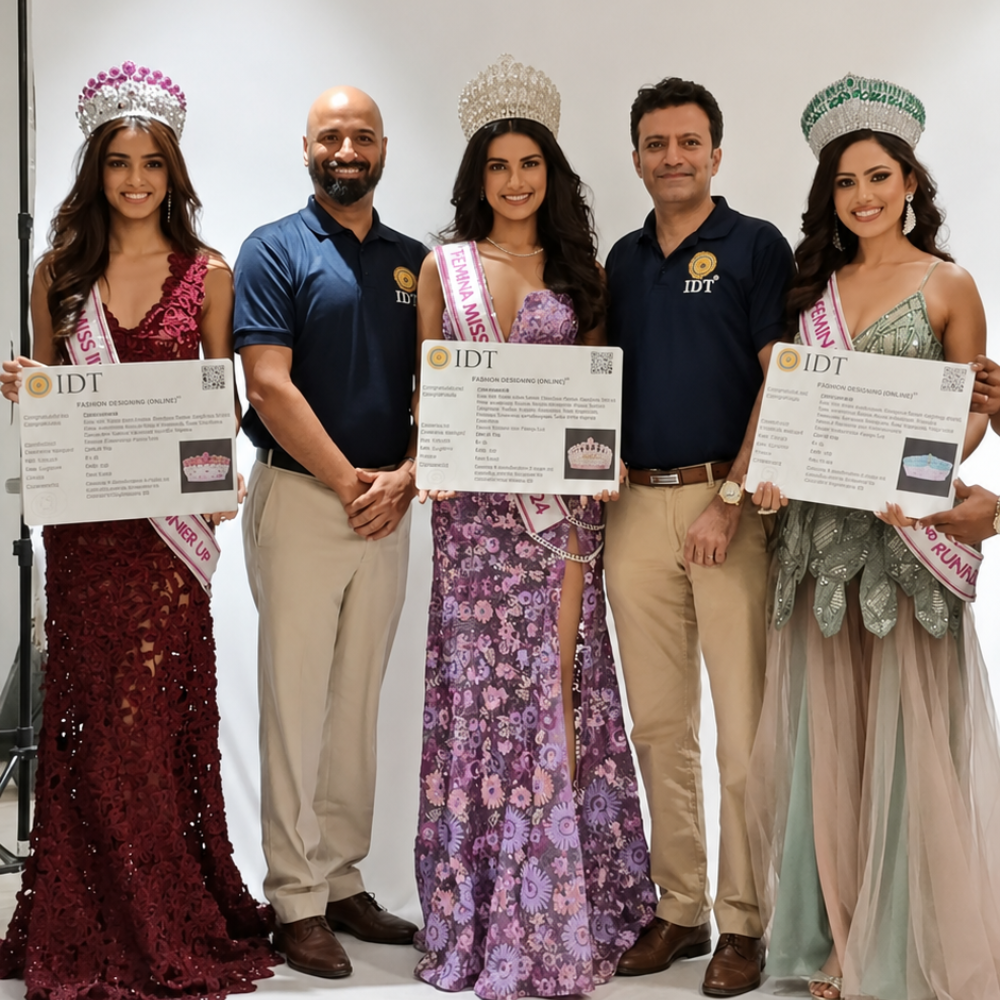
Every year, the Femina Miss India crown becomes a symbol of excellence, confidence, and national pride. Before these crowns reached the winners, they underwent independent gemological certification. The three Femina Miss India 2024 crowns, handcrafted by Narayan Jewellers, were proudly certified by IDT Gemological Laboratories Worldwide. When something represents India, every detail matters. The Three Miss India 2024 Crowns IDT carried out Studded Jewellery Analysis for all three crowns before they were presented on stage. Femina Miss India World 2024, Winner: Nikita Porwal Femina Miss India 2024, 1st Runner-Up: Rekha Pandey Femina Miss India 2024, 2nd Runner-Up: Aayushi Dholakia Combined Total How the Crowns Were Certified The Femina Miss India 2024 crowns were submitted to IDT for Studded Jewellery Analysis. IDT gemologists examined the finished jewellery using advanced gemological instruments and documented the findings in individual certification reports. Each report includes a unique Report Number and QR Code, allowing anyone to verify the certificate online at https://idtworldwide.com/verify-your-report/. This independent certification provides transparency and confidence for valuable jewellery. Why IDT Was Chosen Since 2003, IDT has certified more than 15 million diamonds, gemstones, and jewellery pieces through laboratories across India and the Middle East. As an independent gemological laboratory, IDT does not sell diamonds or jewellery. Its role is to examine, test, and certify them with accuracy and transparency. The same expertise trusted for the Miss India crowns is applied to every jewellery piece submitted for certification. Gaurav Issar, Founder, IDT “The Miss India crowns carry the pride of a nation. Every jewellery piece we certify, whether it is a national crown or a customer’s engagement ring, is examined with the same commitment to accuracy, transparency, and trust.” What This Means for Your Jewellery The Miss India crown is a national symbol. Your diamond is a personal one. Both deserve the same level of trust. Before buying diamond jewellery: If you already own diamond jewellery, you can also visit an IDT laboratory for jewellery testing and certification. Before You Buy Diamond Jewellery The Femina Miss India 2024 crowns were handcrafted by Narayan Jewellers and independently certified by IDT Gemological Laboratories Worldwide. If the jewellery chosen to represent India was independently certified, your jewellery deserves the same confidence. Before you buy diamond jewellery, ask for an IDT Certificate. Verify every report at https://idtworldwide.com/verify-your-report/ Gold has BIS Hallmark. Diamonds have IDT. Gemstones have IDT too. IDT nahi toh diamond lena hi nahi. Frequently Asked Questions Who certified the Miss India 2024 crowns? IDT Gemological Laboratories Worldwide independently certified all three Femina Miss India 2024 crowns through Studded Jewellery Analysis. Who made the Miss India 2024 crowns? The crowns were handcrafted by Narayan Jewellers and independently certified by IDT Gemological Laboratories Worldwide. How many diamonds are in the Miss India 2024 crowns? Together, the three crowns contain 12,349 Natural Diamonds. What is diamond certification? Diamond certification is an independent laboratory assessment that verifies a diamond or jewellery piece through scientific testing and documentation. Why should I buy certified diamond jewellery? Certification provides confidence that your jewellery has been independently examined and documented by a trusted gemological laboratory. Can I verify an IDT certificate online? Yes. Every IDT certificate includes a unique Report Number and QR Code that can be verified at www.idtworldwide.com/verify.
Why You Should Verify Astrology Gemstones Before Wearing Them
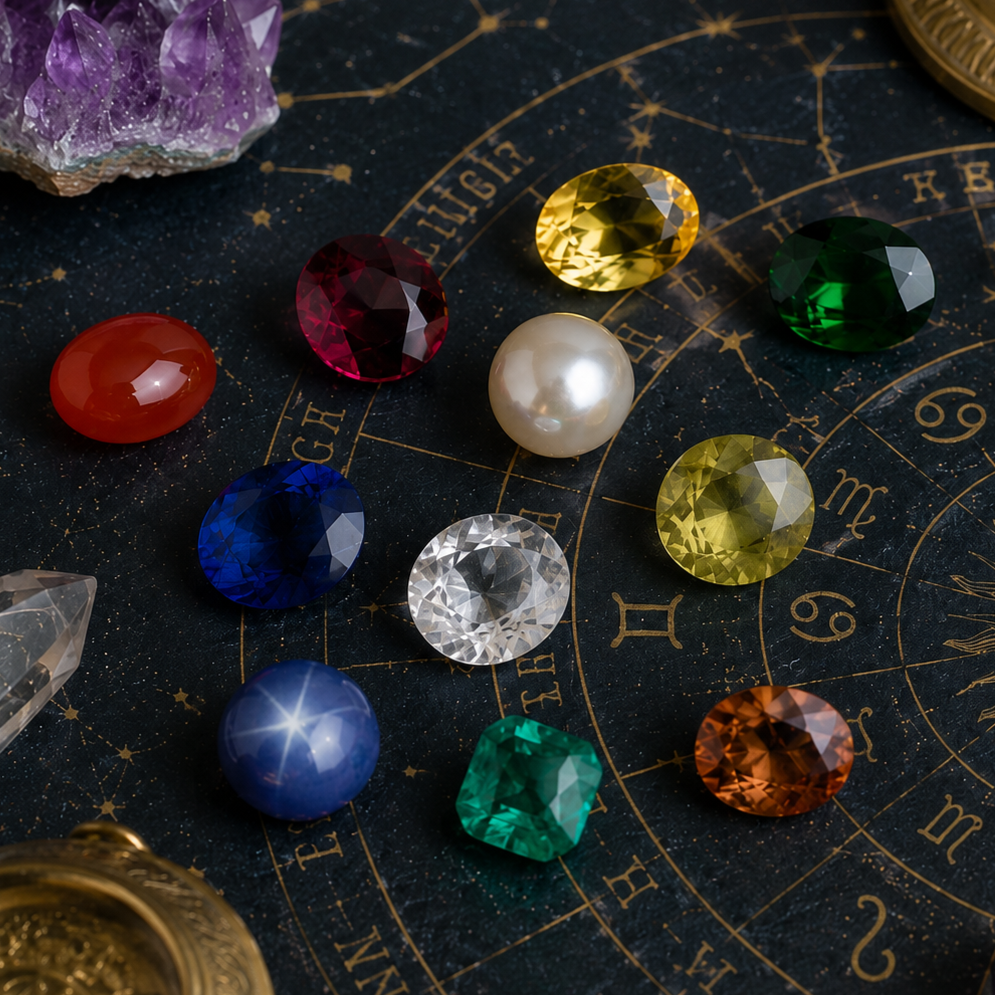
Your Astrologer Recommended a Gemstone. But Is It Really Natural? Your astrologer recommends a Yellow Sapphire (Pukhraj) for Jupiter. Or a Blue Sapphire (Neelam) for Saturn. Maybe a Ruby (Manik) for the Sun, Emerald (Panna) for Mercury, Pearl (Moti) for the Moon, Coral (Moonga) for Mars, or Cat’s Eye (Lehsunia) for Ketu. You prepare to invest in a gemstone for astrological use. But before you wear it, ask yourself one important question: How do you know the gemstone is actually natural and untreated? According to IDT laboratory data from 2026, more than 300 gemstones sold as “astrology grade” were identified as synthetic, glass-filled, or treated during testing. Most buyers cannot distinguish between: Many of these materials look nearly identical to the naked eye while having completely different origins and characteristics. This is why gemstone certification has become one of the most important steps before wearing an astrology gemstone. Whether you are buying a Yellow Sapphire, Blue Sapphire, Ruby, Emerald, Pearl, Coral, or Cat’s Eye, independent certification helps you understand exactly what you are getting. What Is Gemstone Certification? Gemstone certification is the process of examining and evaluating a gemstone in a professional gemological laboratory. After testing, the laboratory issues a gemstone certificate or gemstone report that provides information about the stone’s identity and characteristics. What Does a Gemstone Certificate Reveal? A gemstone certificate provides independent information about: For astrology buyers, this information helps verify that the gemstone matches what was promised at the time of purchase. Why Gemstone Certification Is Important for Astrology Gemstones When buying jewellery for fashion, buyers often focus on appearance. When buying gemstones for astrology, buyers usually focus on authenticity. Real Case from IDT (2026) A family in Mumbai brought a ruby to IDT after their astrologer recommended verification. The stone had been sold as a “Burma Ruby.” IDT testing revealed: Without gemstone certification, buyers may have no reliable way to verify: A certificate provides transparency and helps reduce uncertainty before the gemstone is worn. Natural, Synthetic and Imitation Gemstones: What’s the Difference? One of the most common sources of confusion is understanding the difference between natural, synthetic, and imitation gemstones. Natural Gemstones Natural gemstones are formed by geological processes in nature over millions of years. Examples include: Synthetic Gemstones Synthetic gemstones are created in laboratories but possess similar chemical compositions to their natural counterparts. They are real gemstones, but they are not naturally formed. Imitation Gemstones Imitation gemstones are materials designed to resemble genuine gemstones but may have completely different physical and chemical properties. Examples include: To the average buyer, all three categories can appear remarkably similar. That is why professional gemstone certification is essential before making a purchase. Why Treatments Matter for Astrology Many gemstones available in the market undergo treatments to improve their appearance. While some treatments are accepted within the gemstone trade when properly disclosed, they can significantly affect how a gemstone is perceived by astrology buyers. Common Gemstone Treatments These treatments can usually be detected through professional gemological testing. Many astrologers prefer natural, untreated gemstones for astrological use. As a result, buyers often seek gemstones accompanied by certification from an independent laboratory. Gaurav Issar, Founder, IDT “We see families bring stones to IDT based on their astrologer’s advice. Our job is to test whether the gemstone is natural or synthetic and whether indications of heating or other treatments are present. We report the facts so buyers and astrologers can make informed decisions.” Common Problems Found During Gemstone Testing Over 23 years and more than 15 million pieces certified, IDT laboratories have encountered many situations where gemstones were not exactly what buyers believed them to be. Top 5 Issues Identified in 2026 1. Synthetic Stones Sold as Natural Lab-grown rubies represented as natural rubies. 2. Undisclosed Treatments Yellow sapphires sold as “unheated” that showed treatment indications during testing. 3. Incorrect Gemstone Identification Blue Spinel represented as Blue Sapphire despite being a completely different mineral. 4. Simulants Sold as Genuine Gemstones Composite or glass-filled materials represented as natural emeralds. 5. Weight Discrepancies Gemstones that differed from the prescribed weight recommended by the astrologer. Most buyers do not intentionally make mistakes. They simply lack access to specialized testing equipment and gemological expertise. Gemstone certification helps bridge that gap. Would an Astrology Gemstone Work if It Is Synthetic or Treated? This is one of the most frequently asked questions among astrology gemstone buyers. Different astrologers may have different views regarding gemstone suitability for astrological purposes. However, one thing remains consistent: Most astrologers want buyers to know exactly what they are wearing. For this reason, many buyers prefer independently certified natural and untreated gemstones. Certification enables informed decisions based on facts rather than assumptions. How to Verify a Gemstone Certificate Before You Buy Receiving a certificate is important. Verifying the certificate is equally important. Before purchasing a gemstone: 1. Check the Laboratory Name Ensure the certificate has been issued by a recognized gemological laboratory. Look for: IDT Gemological Laboratories Worldwide Est. 2003 | 15M+ Pieces Certified | Official Certifiers of Miss India Crown 2. Review the Details Verify that the certificate matches the gemstone being purchased. Check: 3. Check the Treatment Line For astrology buyers, this is often one of the most important sections of the report. Look for statements such as: If terms such as the following appear, discuss them with your astrologer: 4. Verify Online Scan the QR code or visit: https://idtworldwide.com/verify Ensure that the report displayed online matches: 5. Ask Questions A reputable seller should be comfortable explaining the certificate and answering questions regarding the gemstone. If verification is discouraged or refused, consider it a warning sign. What Should You Look for in the Best Gemstone Certification in India? When evaluating a gemstone certificate, consider the following factors: Independent Testing The certificate should come from an independent gemological laboratory rather than the seller. Transparent Reporting The report should clearly disclose: Online Verification The ability to verify a report online provides an additional layer of confidence. Industry Reputation Choose laboratories with established expertise
Why Diamond Certification Matters More Than Ever in 2026
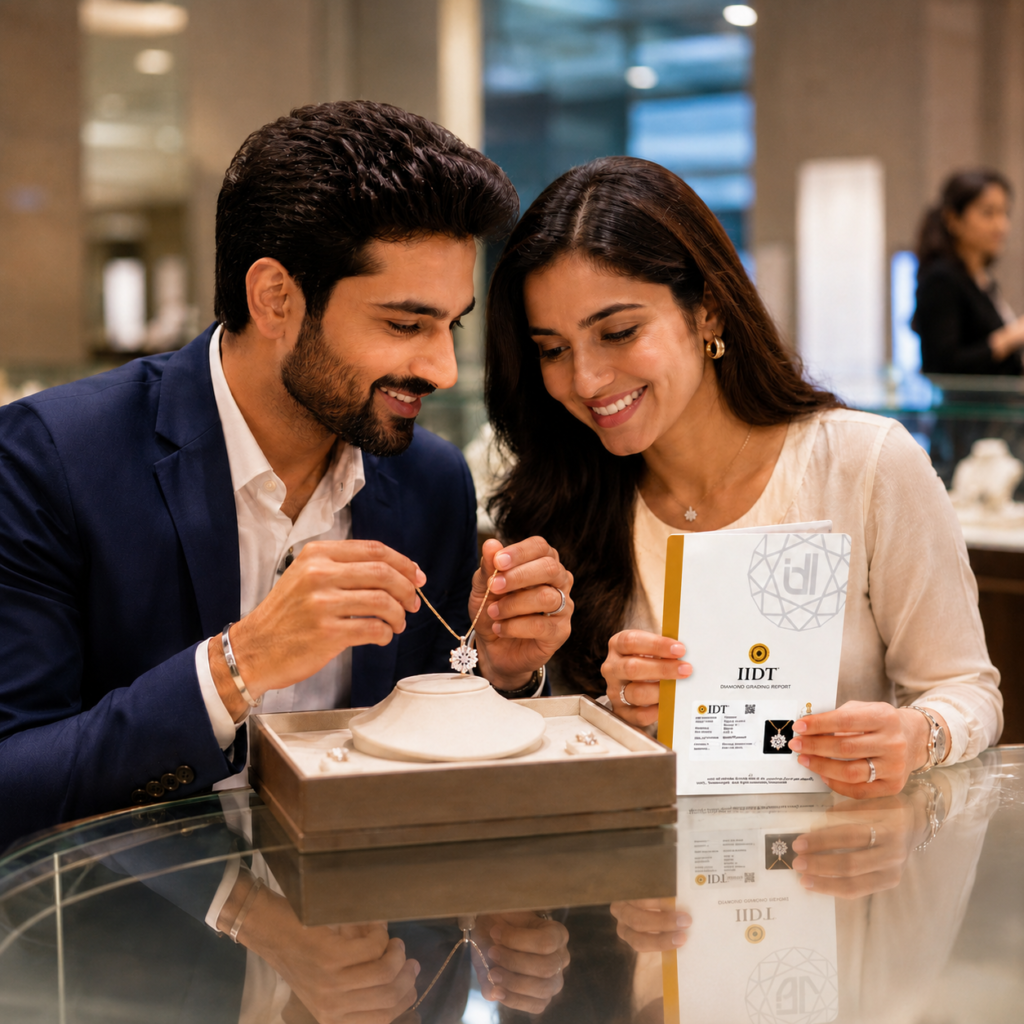
The diamond industry has changed significantly over the past few years. Buyers today have more choices than ever before, from natural diamonds and lab grown diamonds to a wide range of online and international jewellery sellers. While these options give consumers greater flexibility, they also make it more important to verify what is being purchased. A diamond may look beautiful, but its true quality cannot be determined by appearance alone. Important characteristics such as carat weight, colour, clarity, cut quality, and origin require professional evaluation. This is where diamond certification plays a crucial role. In 2026, diamond certification is no longer viewed as an optional document. It has become an important tool that helps buyers understand exactly what they are purchasing and provides independent verification of a diamond’s characteristics. What Is Diamond Certification? Diamond certification is the process of examining and grading a diamond in a professional gemological laboratory. After examination, a gemological laboratory issues a grading report that records the diamond’s key characteristics. At IDT Gemological Laboratories Worldwide, each report is designed to provide buyers with documented information that can be independently verified through the laboratory’s verification system. A diamond certificate typically includes: This information allows buyers to compare diamonds based on documented facts rather than marketing claims. Why Diamond Certification Matters More in 2026 Growing Online Diamond Purchases Online jewellery shopping continues to expand, making certification more important than ever. When purchasing a diamond online, buyers cannot physically inspect the stone before making a decision. A grading report provides important information about the diamond and helps buyers compare different options with greater confidence. As online purchases continue to grow, many consumers now actively verify report numbers through laboratory portals, including IDT’s report verification platform, before completing a purchase. Increased Availability of Lab Grown Diamonds Lab grown diamonds are now widely available across global markets. To the naked eye, natural and lab grown diamonds often appear identical. Professional testing is required to determine their origin accurately. Certification helps ensure proper disclosure and allows consumers to make informed purchasing decisions based on their personal preferences and budget. Better Informed Consumers Modern buyers conduct extensive research before making major purchases. Many consumers now compare grading reports, verify certificate numbers, and learn about the 4Cs before buying a diamond. As awareness grows, certification has become an expected part of the buying process rather than an additional feature. Buyers want proof of quality, not just promises. Protection Against Incorrect Quality Claims Most consumers do not have the specialised equipment needed to assess a diamond accurately. Two diamonds may appear similar while having significant differences in quality characteristics. Certification provides an independent evaluation and documents those characteristics in a professional grading report. This helps buyers understand exactly what they are purchasing and reduces confusion regarding quality grades. Benefits of Buying Certified Diamonds Greater Transparency Certification provides detailed information about a diamond’s characteristics and allows buyers to make decisions based on verified data. Easier Comparison A grading report makes it easier to compare multiple diamonds and evaluate their quality objectively. Verification and Authenticity Many laboratories now provide online verification systems that allow buyers to confirm the authenticity of their reports using a unique report number. Documentation for Future Reference A diamond certificate serves as a permanent record of the stone’s characteristics and can be useful for insurance, resale, or future verification purposes. What Should You Check in a Diamond Certificate? Before purchasing a diamond, review the grading report carefully. Pay attention to: If online verification is available, always cross-check the report details through the laboratory’s verification portal. Common Mistakes Buyers Make Many consumers still focus primarily on: While these factors may influence a purchase decision, they should not replace independent certification. A diamond’s beauty can be seen, but its quality must be verified. The Importance of Choosing a Reputable Certification Laboratory Not all grading reports are prepared using the same procedures. Choosing a recognised gemological laboratory that follows established grading protocols and provides report verification facilities can contribute to greater transparency during the purchasing process. IDT Gemological Laboratories Worldwide uses advanced testing technology and grading procedures to evaluate diamonds and issue detailed grading reports. Through IDT’s report verification system, consumers can cross-check report details and better understand the characteristics of the diamond they are purchasing. Diamond Certification and Consumer Trust Trust has become one of the most important factors in the jewellery industry. Whether a customer is purchasing an engagement ring, solitaire diamond, or diamond jewellery, certification helps create confidence by providing independent documentation of the stone’s characteristics. As consumers become more knowledgeable, certified diamonds continue to gain preference over uncertified alternatives. Conclusion In 2026, diamond certification is an essential part of responsible diamond buying. With the growth of online jewellery shopping, wider availability of lab grown diamonds, and increasing consumer awareness, independent verification has become more important than ever. A diamond certificate helps verify authenticity, quality, and grading accuracy through professional testing. It allows buyers to make informed decisions and understand exactly what they are purchasing. Before buying any diamond, always review the grading report and verify it through the issuing laboratory whenever possible. Frequently Asked Questions How can I verify an IDT diamond certificate? IDT diamond reports can be verified through the official IDT verification portal by entering the report number. Verification allows consumers to cross-check the report details issued by the laboratory. Why is diamond certification important? Diamond certification provides independent verification of a diamond’s quality and helps buyers make informed purchasing decisions. Can a diamond certificate identify lab grown diamonds? Yes. Professional gemological laboratories use advanced testing methods to determine whether a diamond is natural or lab grown. What information is included in an IDT diamond grading report? Depending on the report type, IDT diamond grading reports may include details such as carat weight, colour grade, clarity grade, cut quality, measurements, fluorescence information, and a unique report number for verification.. Should I buy a diamond without certification? A certified diamond provides documented information about its characteristics and offers greater transparency
Best Diamond Alternatives for Engagement Rings in 2026
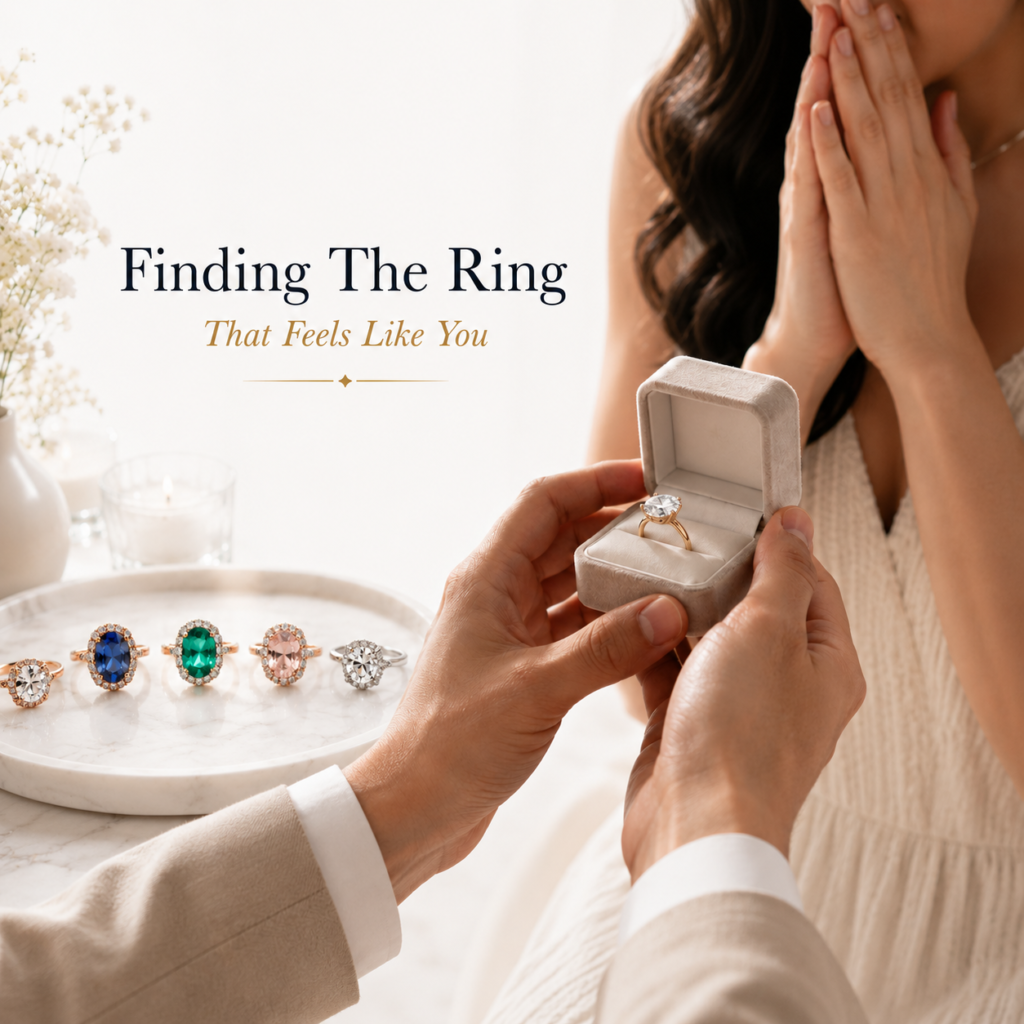
Engagement rings have traditionally been associated with diamonds, but modern couples are exploring a wider range of options than ever before. Personal style, budget, and a desire for unique jewellery designs are encouraging many buyers to look beyond traditional diamonds. In 2026, several gemstone and diamond alternatives have become popular choices for engagement rings. From laboratory-grown diamonds to colourful gemstones, buyers now have more flexibility when selecting a ring that reflects their personality and preferences. If you are considering an engagement ring and want to explore options beyond a traditional natural diamond, here are some of the most popular alternatives available today. Why Buyers Are Choosing Diamond Alternatives Diamond alternatives have become increasingly popular because they offer greater variety in appearance, colour, and style. Some couples prefer a classic colourless stone, while others want an engagement ring that feels more personal and distinctive. The growing popularity of coloured gemstones and alternative jewellery designs has created more choices for modern buyers. Today, engagement rings are less about following tradition and more about selecting a stone that reflects individual taste. Laboratory-grown Diamonds Laboratory-grown diamonds are among the most popular alternatives to natural diamonds. They possess the same chemical, physical, and optical properties as natural diamonds. The main difference is their origin. Natural diamonds form underground over billions of years, while laboratory-grown diamonds are created in controlled laboratory environment. Why Buyers Choose Laboratory-grown Diamonds Because laboratory-grown diamonds look identical to natural diamonds, certification is important for accurate identification and disclosure. Blue Sapphire Blue sapphire engagement rings continue to attract buyers seeking a unique and sophisticated look. Known for their rich blue colour, sapphires have long been associated with elegance and royalty. Benefits of Blue Sapphire Blue sapphire engagement rings offer a beautiful alternative to colourless stones. Moissanite Moissanite is one of the most well-known diamond alternatives available today. It is admired for its exceptional sparkle and brilliance, making it a popular choice for engagement rings. Benefits of Moissanite Although moissanite may resemble a diamond, it is a completely different gemstone with its own unique characteristics. Emerald Emeralds are prized for their vibrant green colour and luxurious appearance. Their distinctive look makes them a popular choice for buyers who want an engagement ring that stands apart from traditional styles. Benefits of Emerald As with any valuable gemstone, certification helps verify authenticity and gemstone characteristics. Ruby Ruby engagement rings provide a bold and colourful alternative to traditional diamond rings. Their rich red colour has made them one of the most admired gemstones in jewellery for centuries. Benefits of Ruby Rubies are often chosen by buyers looking for a gemstone that symbolises passion and commitment. White Sapphire White sapphire offers a clean, elegant appearance and remains a popular alternative to diamonds. Its subtle beauty appeals to buyers looking for a classic engagement ring without the appearance of a traditional diamond. Benefits of White Sapphire White sapphire is often chosen by buyers who appreciate understated jewellery designs. Morganite Morganite has gained popularity for its soft pink colour and romantic appearance. It pairs beautifully with rose gold settings and is often featured in modern engagement ring designs. Benefits of Morganite Morganite offers a refreshing alternative for couples seeking something different from traditional engagement rings. How to Choose the Right Diamond Alternative Before selecting an engagement ring stone, consider the following factors: Durability Engagement rings are worn daily, making durability an important consideration when choosing a gemstone. Personal Style Some buyers prefer classic colourless stones, while others are drawn to vibrant coloured gemstones. Jewellery Design The gemstone should complement the overall design and setting of the ring. Certification Certification helps verify authenticity and provides important information about a gemstone’s characteristics. Why IDT Certification Matters for Alternative Gemstones Whether you choose a laboratory-grown diamond, moissanite, sapphire, ruby, emerald, or morganite, IDT certification remains an important part of the buying process. A professional gemstone or diamond report can help verify: IDT Gemological Laboratories Worldwide uses advanced gemological testing methods to evaluate diamonds and gemstones and issue detailed grading and identification reports. IDT Certification helps buyers verify authenticity and better understand the characteristics of their jewellery. Conclusion The engagement ring market in 2026 offers more choices than ever before. From laboratory-grown diamonds and moissanite to sapphires, rubies, emeralds, and morganite, buyers can select a stone that matches their style and preferences. There is no single best diamond alternative. The right choice depends on what matters most to you, whether that is appearance, colour, uniqueness, or personal significance. Whatever gemstone you choose, obtaining a professional certification report can help verify authenticity and document important gemstone characteristics. A certified gemstone provides greater transparency and helps buyers make informed jewellery purchasing decisions. Frequently Asked Questions What is the best diamond alternative for an engagement ring? Popular alternatives include laboratory-grown diamonds, moissanite, white sapphire, blue sapphire, ruby, emerald, and morganite. The best option depends on personal style and preferences. Is moissanite a real gemstone? Yes. Moissanite is a genuine gemstone with unique optical properties and is commonly used in engagement rings. Are laboratory-grown diamonds real diamonds? Yes. Laboratory-grown diamonds have the same chemical and physical properties as natural diamonds. The difference lies in how they are formed. Can sapphires be used in engagement rings? Yes. Sapphires are durable gemstones and have been used in engagement rings for many years. Why is certification important for gemstone engagement rings? Certification helps verify authenticity, origin, and gemstone characteristics, giving buyers greater transparency and confidence in their purchase.
Natural vs Lab Grown Colored Gemstones: What You Need to Know
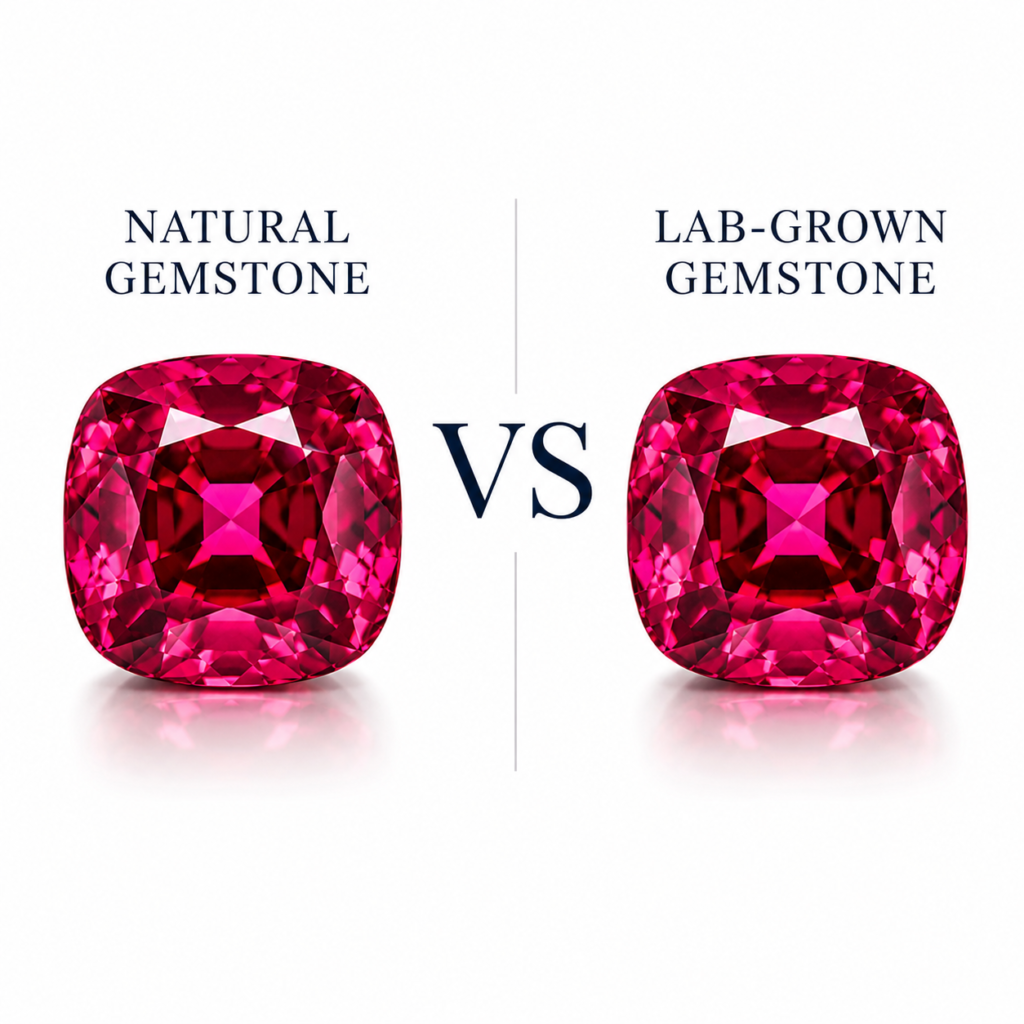
Lab Grown Gemstones Are Everywhere. Can You Tell the Difference? Lab grown ruby. Lab grown sapphire. Lab grown emerald. Lab grown alexandrite. You’ve seen them online, in jewellery stores, and even sold as “astrology-grade” gemstones. They look identical to natural gemstones. The gemstone colors appear the same. The sparkle looks the same. But there is one critical difference: how they were formed. If you are buying gemstones for astrology, jewellery, gifting, or investment purposes, that difference matters. According to IDT laboratory observations from 2026, a significant number of colored stones submitted as natural were later identified as lab grown after testing. Many buyers had no idea what they were actually purchasing. This guide explains the difference between natural and lab grown colored gemstones, how laboratories test them, and why gemstone certification matters. What Are Natural Colored Gemstones? Natural colored gemstones are minerals that formed through geological processes deep within the Earth over millions of years. Their colors are created by trace elements and unique environmental conditions during formation. Examples of Natural Colored Gemstones Natural Ruby A red variety of corundum colored by chromium. Major sources include Myanmar, Mozambique, Madagascar, Sri Lanka, Tanzania, and Vietnam. Natural Sapphire A variety of corundum available in blue, yellow, pink, and many other colors. Major sources include Sri Lanka, Madagascar, Myanmar, Australia, and Kashmir. Natural Emerald A green variety of beryl colored by chromium and vanadium. Major sources include Colombia, Zambia, Brazil, and Zimbabwe. Natural Alexandrite A rare variety of chrysoberyl famous for its dramatic color-changing effect from greenish daylight tones to reddish tones under incandescent light. Major sources include Russia, Brazil, India, and Sri Lanka. Why Natural Gemstones Are Valuable Natural gemstone deposits are finite. Many historically important mining regions now produce only limited quantities, making fine-quality natural gemstones increasingly rare and valuable. What Are Lab Grown Colored Gemstones? Lab grown gemstones are created in controlled laboratory environments using processes that replicate natural gemstone formation. They possess the same chemical, physical, and optical properties as their natural counterparts. Common Production Methods Flame Fusion Commonly used for ruby, sapphire, and spinel. Fast and cost-effective. Flux Growth Used for emerald, ruby, and alexandrite. Produces high-quality laboratory-grown crystals. Hydrothermal Growth Used for emerald, quartz, and certain ruby varieties. Considered one of the closest methods to natural growth. Important Fact Lab grown gemstones are real gemstones. A lab grown ruby is chemically ruby. A lab grown sapphire is chemically sapphire. The key difference is origin. Natural stones form over millions of years, while lab grown stones form within weeks or months. Natural vs Lab Grown Gemstones: Key Differences One of the biggest misconceptions is that people can identify natural and lab grown gemstones visually. In reality, you cannot reliably determine origin simply by looking at a gemstone. The following characteristics are often identical: The only reliable way to determine origin is through professional gemstone certification and laboratory testing. Do Lab Grown Gemstones Have the Same Colors? Yes. Lab grown gemstones can display the same vivid colors as natural stones. Examples include: These colors are produced by the same trace elements found in natural gemstones: Trace Element Color Produced Chromium Red in ruby Iron + Titanium Blue in sapphire Chromium + Vanadium Green in emerald Since laboratories use the same chemical elements, the resulting colors can be virtually identical to natural stones. Can Lab Grown Gemstones Be Used for Astrology? Opinions vary among astrologers. Many astrologers specifically recommend natural, untreated gemstones and request certification confirming the gemstone’s natural origin. Others may accept lab grown gemstones depending on personal beliefs and client preferences. A gemological laboratory’s role is not to advise on astrology. The laboratory simply identifies and reports the gemstone’s origin and any treatments. A certificate should clearly state whether the gemstone is: This allows buyers and astrologers to make informed decisions. Can You Tell the Difference With the Naked Eye? No. Natural and lab grown gemstones share identical optical and chemical properties. Even experienced jewellers cannot always determine origin without testing. What Gemologists Look For Natural gemstones often contain: Lab grown gemstones may display: However, visual observations alone are not enough for a definitive conclusion. Advanced laboratory testing is required. How Gemological Laboratories Test Natural vs Lab Grown Gemstones Professional laboratories use a combination of techniques to determine gemstone origin. 1. Microscopic Examination Gemologists study internal features, inclusions, and growth structures under high magnification. 2. Spectroscopy The gemstone’s interaction with light is analyzed to identify characteristic absorption patterns and trace element signatures. 3. Advanced Gemological Testing Additional tests may include: The final report clearly states whether the gemstone is: Natural or Synthetic / Lab Grown Common Myths About Lab Grown Gemstones Myth 1: Lab Grown Gemstones Are Fake Fact: Lab grown gemstones are real gemstones. The difference is origin, not composition. Myth 2: You Can Identify Them By Eye Fact: Visual identification is unreliable. Professional testing is required. Myth 3: Lab Grown Means Poor Quality Fact: Many lab grown gemstones exhibit excellent clarity and color. Myth 4: All Certificates Are the Same Fact: Independent laboratory certificates should clearly disclose whether a gemstone is natural or synthetic. Gemstone Certification Checklist Before purchasing any colored gemstone: 1. Request Independent Certification Choose a recognized gemological laboratory. 2. Check Origin Disclosure The certificate should clearly state: 3. Review Treatment Information Check whether heating or other treatments are disclosed. 4. Verify the Certificate Use available online verification systems where applicable. 5. Match the Stone to Your Purpose Whether for jewellery, collection, gifting, or astrology, ensure the certificate matches your requirements. What Makes a Good Gemstone Certificate? A reliable gemstone certificate should include: Independent Testing The laboratory should provide unbiased analysis. Clear Origin Disclosure Natural and synthetic gemstones should be distinctly identified. Treatment Disclosure Any enhancements should be clearly reported. Verification Facility Online verification helps confirm report authenticity. Industry Reputation Choose laboratories with established expertise and testing experience. Frequently Asked Questions What is the difference between natural and lab grown gemstones? Natural gemstones form naturally within the Earth over millions of years. Lab